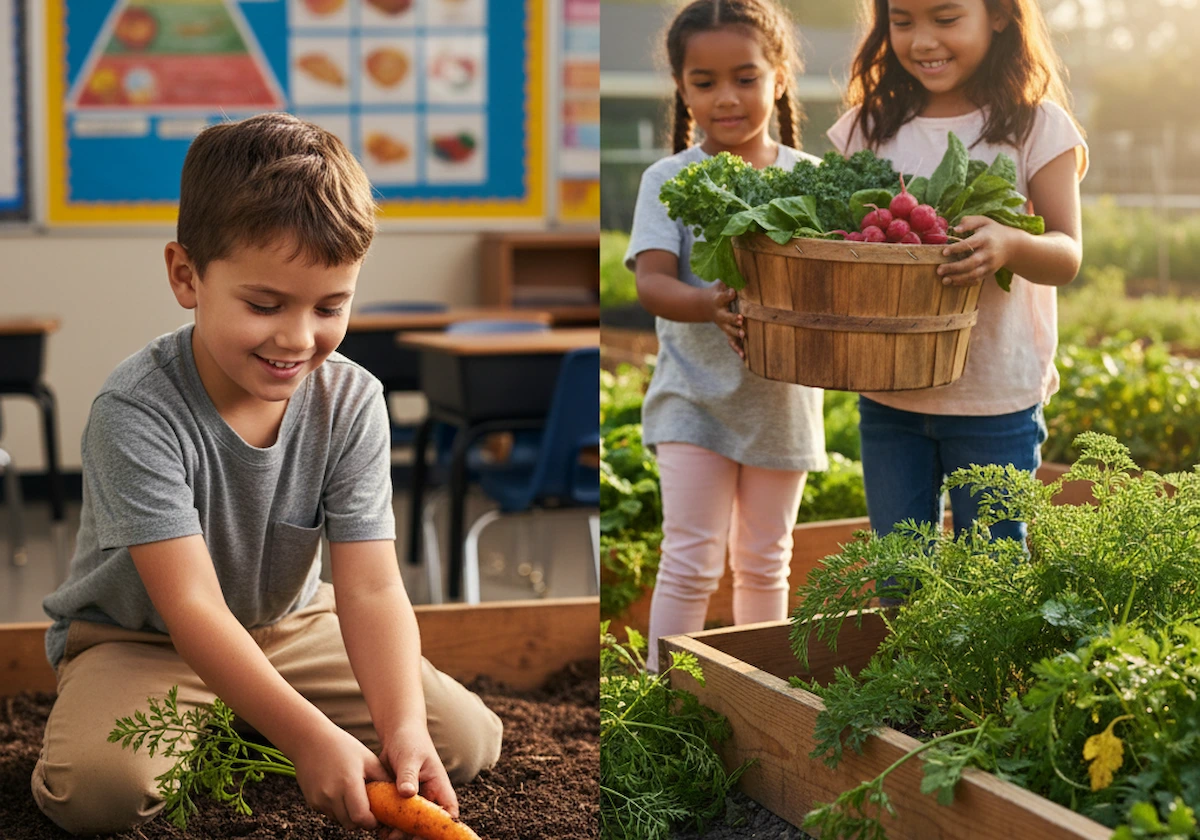
If you walk up to any Omaha kid and ask where carrots come from, most will point to the grocery store produce aisle. They’ve never connected that shrink-wrapped vegetable to actual dirt, seeds, or the months of growing time it took to get there.
This is concerning because professional nutrition services in Omaha cost hundreds of dollars per session. Most families can’t swing those bills, and classroom food pyramids don’t teach kids how vegetables actually grow.
Which is why this article will show you how community gardens solve traditional Omaha nutrition education problems through hands-on growing experiences. You’ll also learn more about the exact permits and soil tests you need to start one in your neighborhood.
So let’s learn more about the food education problem in Omaha.
Omaha’s Food Education Leaves Kids Disconnected
Omaha’s traditional education system doesn’t teach children where their food comes from before it reaches store shelves. Kids see packaged vegetables but never make the connection to farms or gardens. This gap influences the nutrition habits that follow them into adulthood.

Take a look at why traditional food education keeps missing the mark in Omaha.
The Illusion of Grocery Store Aisles
Kids walk past shrink-wrapped vegetables every week. At one point, the packaged food creates this weird illusion that everything comes from factories instead of actual farms (yes, some kids genuinely think chocolate milk comes from brown cows).
When children only see products in plastic containers under fluorescent lights, they permanently fail to visualize real outdoor growing. They become unable to understand why fresh produce costs more or tastes different from processed snacks.
Kids Can’t Learn Food Without The Dirt
Let’s be real. Reading about plants in textbooks doesn’t create the same memory as pulling weeds yourself on a hot afternoon. After all, school curricula focus heavily on nutrition theory, while community gardens provide immediate sensory learning.
The difference is that one approach teaches facts, but the other builds actual understanding through actions. In the end, teachers can show all the pictures they want, but kids need that tactile experience with dirt under their fingernails and roots in their hands.
The Impact of Food Deserts on Kids
Many Omaha neighborhoods lack grocery stores with quality fruits and vegetables available within walking distance. As a result, families in these food deserts have to rely on convenience stores where processed food is on every shelf.
When children grow up without regular access to fresh produce in their city, they develop eating patterns that stay with them forever. However, community gardens can fill this gap by bringing healthy food directly into neighborhoods that need it most.
So what exactly is a community garden? Let’s find out.
What’s a Community Garden?
Community gardens are shared outdoor spaces where neighbors collectively grow vegetables, fruits, and flowers together. The American Community Gardening Association estimates roughly 18,000 of these gardens exist across the United States and Canada right now.
That’s a bit different from your backyard garden. Community gardens typically sit on public land or vacant lots that urban areas set aside for neighborhood use. This is how multiple families or individuals share the space instead of one person owning it all.
Some community gardens let members reserve small plots for their own planting. Others assign volunteer teams to work the entire garden together and split what grows. But the goal stays the same for everyone: give people access to land for growing food.
These neighborhood gardens can be anywhere, like empty city lots or donated church property. As long as the soil conditions are good and water access exists, communities can alter unused space into productive growing areas.
The Cost of Poor Nutrition Counseling Access
Ever wonder why so many Omaha families struggle with eating disorders despite knowing basic nutrition facts? The answer comes down to accessibility. Professional nutrition counseling costs a pretty penny for families that are already stretching their budgets (a reality many Omaha families know all too well).
And when kids can’t get proper nutrition services early on, the problems compound fast. Here’s what actually happens in Omaha homes dealing with these gaps:
- Insurance Coverage: Most insurance plans don’t cover nutrition counseling sessions. When providers do offer these services, copays run $75 to $150 per visit. Families who need regular nutrition guidance the most simply can’t afford it.
- Binge Eating Development: This binge eating disorder often develops when children never learned a healthy relationship with food during their early years. Without professionals who provide nutrition counseling, the disorder affects both their physical health and mental well-being for life.
- Picky Eaters Turn Restrictive: Kids with limited food exposure develop Avoidant Restrictive Food Intake Disorder (ARFID) that goes way beyond normal pickiness. They start restricting entire food groups because fresh vegetables or different textures are unfamiliar to them.
- Crisis-Only Intervention: Insurance plans rarely list nutrition services as widely covered benefits unless a doctor diagnoses a specific disorder first. By that point, families face years of established poor nutrition habits to reverse.

The lack of accessible nutrition counseling creates a cycle that community gardens help break. Because when formal health services stay out of reach, hands-on garden programs step in to fill the gap.
Nutrition Coaching With Garden Programs
This might come as a surprise, but kids actually want to learn instead of tuning out. But getting kids on the same page about healthy eating takes more than lectures and pamphlets. That’s when community garden programs flip the script by teaching nutrition through actions.
This is how gardening education works better than traditional wellness programs:
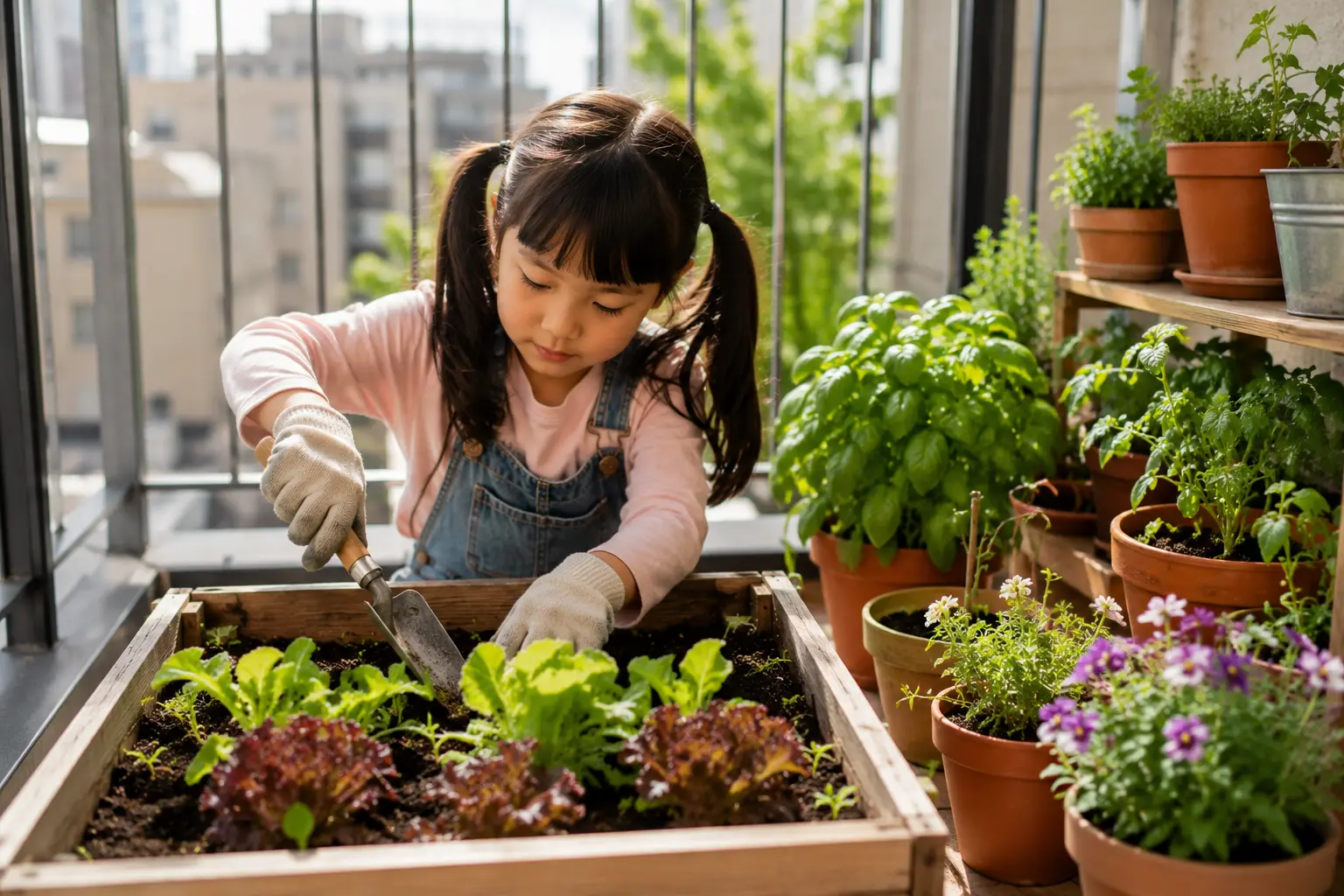
- Learning Through Growing: Kids absorb nutrition naturally by watching vegetables grow from seeds instead of memorizing food pyramids in a classroom. They see the full cycle from planting to harvest, and garden leaders provide informal coaching.
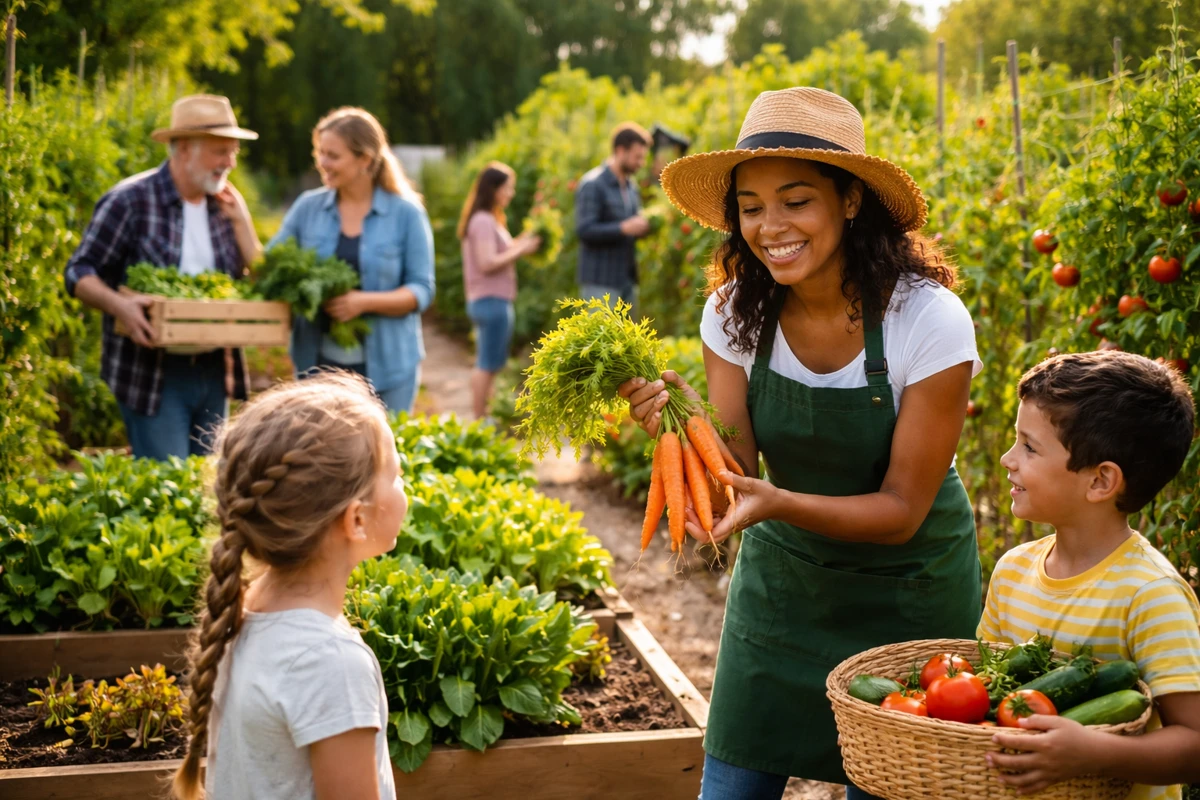
- Harvest Creates Connection: When children pull carrots that they watered all summer, the harvest tastes different to them. And the benefits show up at dinner tables when kids ask for seconds of vegetables they grew.
- Cooking Integration: Garden programs often pair harvesting with cooking classes that show kids how fresh ingredients become meals. Because of this, children willingly try vegetables they grew themselves, which breaks picky eating patterns permanently.
- Community Support: Parents and children work side by side in garden programs and create shared wellness goals. So families learn together instead of sending one kid to isolated counseling appointments.
Garden-based nutrition coaching builds food literacy without the clinical feel of traditional health services. In the end, kids develop lifelong eating habits through experience rather than instruction.
The Link Between Fresh Garden Food and Gut Health
What if the solution to childhood gut health problems was growing in dirt instead of sitting in medicine cabinets? As wild as it may sound, fresh food from community gardens carries health benefits that go way beyond basic nutrition labels.
Here’s how garden-grown vegetables affect long-term health outcomes.
What Fresh Food Has That Processed Food Doesn’t
Garden vegetables contain beneficial bacteria and nutrients that support a healthy gut microbiome in ways processed foods can’t match. When kids eat produce that was picked only hours ago, they get live enzymes and microorganisms that strengthen their digestive systems.
In contrast, processed foods from stores lack these living components entirely because everything gets treated to extend the shelf life. And the difference between the two types of food shows up in research on public health outcomes.
Children who regularly consume fresh produce from local food production develop stronger digestive systems than their peers eating primarily packaged foods. Their gut health improves, and it affects their immune function and mental well-being.
Reducing Cardiovascular Disease Through Garden Nutrition
Fresh vegetables from community gardens help reduce cholesterol and blood pressure starting in childhood. It creates patterns that protect heart health for decades, and the nutrition benefits compound over time.
But here’s the thing. The physical activity of gardening combined with better nutrition creates double benefits for overall health. When kids working in gardens move their bodies, it lowers their body mass index naturally and builds cardiovascular fitness.
In fact, public health experts increasingly recognize garden programs as preventive medicine that addresses multiple wellness factors at once.
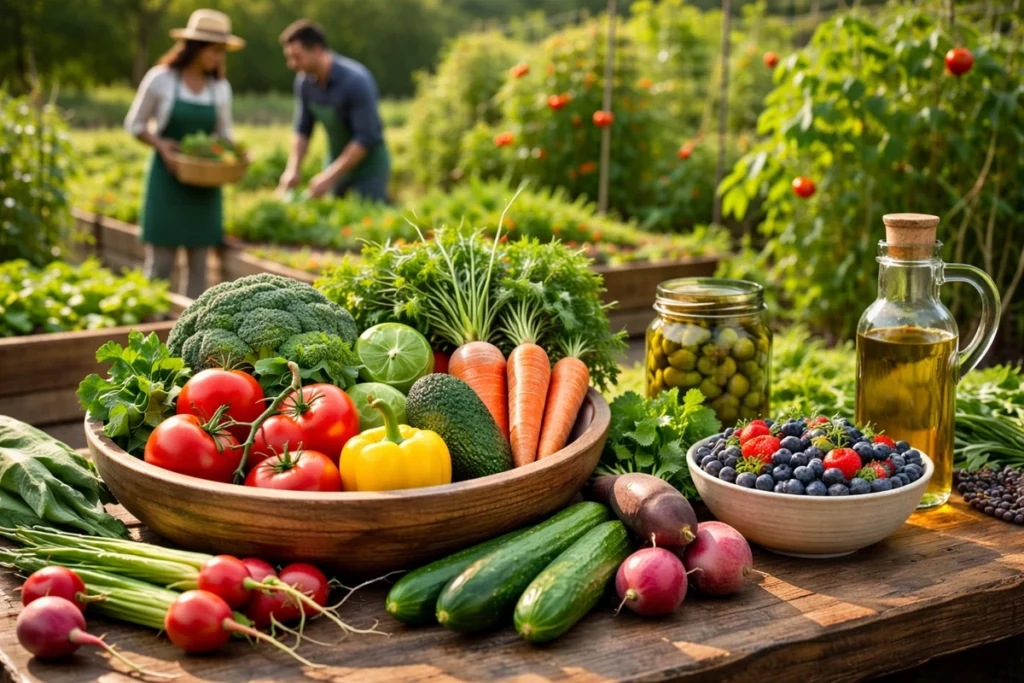
Starting Your Omaha Garden
Setting up an Omaha community garden becomes easy once you understand the required steps. Yes, the city requires specific permits for community gardens on public land or vacant lots, but the process moves faster than typical development projects.
These are what you need to handle before anyone plants a single seed:
- Dirt Tests: Soil testing comes first because contamination issues are frequent in urban areas. So you can’t skip this step. Contact the Douglas-Sarpy County Extension Office for testing resources, or hire a private lab if you want results faster.
- Water Access: Water access is just as important as soil quality. So, check beforehand if the land has existing water lines or if you’ll need to run new connections.
- Permits Required: Local governments in Omaha sometimes donate vacant lots for community garden use, but you’ll still need permits from the city planning department.
- Volunteer Organization: Some volunteer gardeners may show up weekly, others monthly. So it’s best to set realistic expectations up front about the physical activity involved and what resources people need to bring.
Pro Tip: Assign someone to coordinate workdays, manage shared garden tools, and track which community members signed up for which plots. Most gardens hit the ground running once leadership roles get sorted out properly.
Take the First Step Toward Better Food Education
Community gardens can solve Omaha’s hidden nutrition education problem through hands-on growing experience that traditional programs can’t match. With this approach, kids learn better about health and wellness by harvesting vegetables.
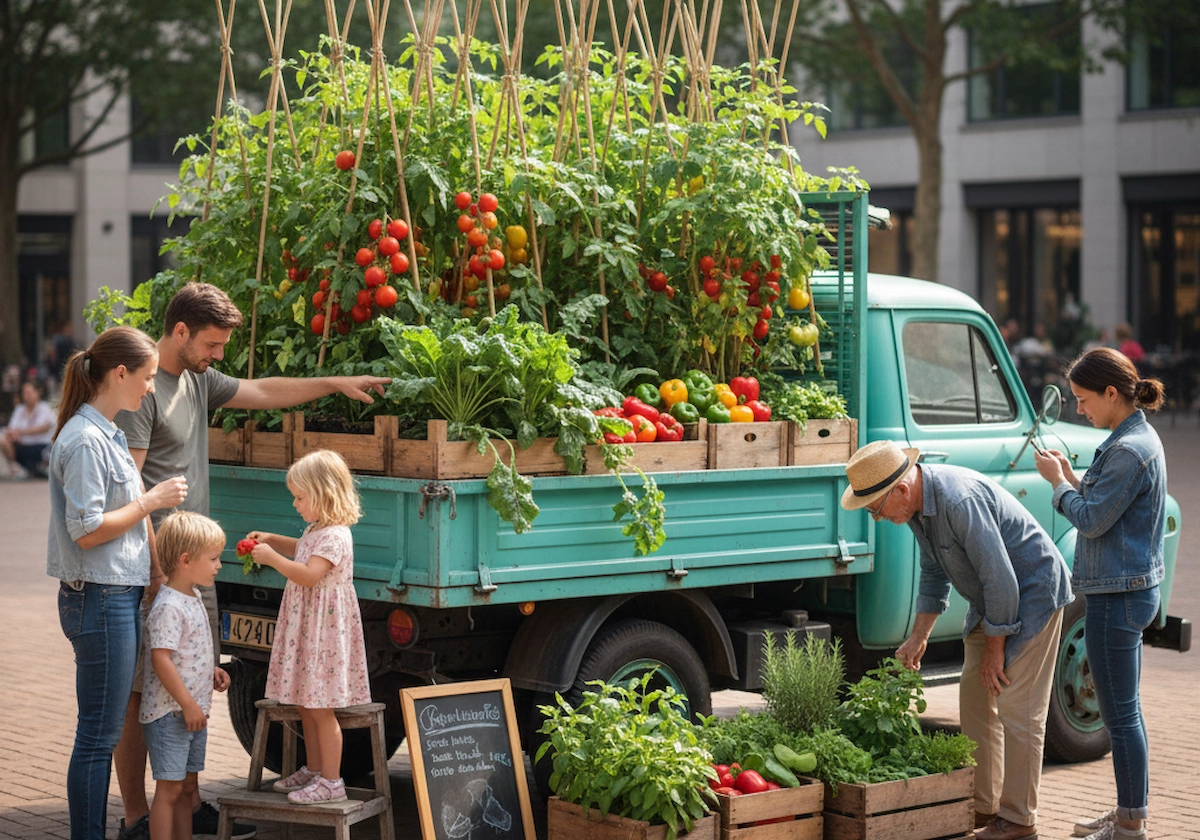
Which is why, start today by visiting existing gardens or joining volunteer workdays in your neighborhood. Programs like Truck Farm Omaha already connect young people with food systems in ways that create lasting benefits for their entire lives. You can find more information about their youth-led garden programs on the website.
Your participation will ignite change in how Omaha children understand food and health. So plant one seed today and watch both vegetables and knowledge grow together in ways that benefit your whole community.