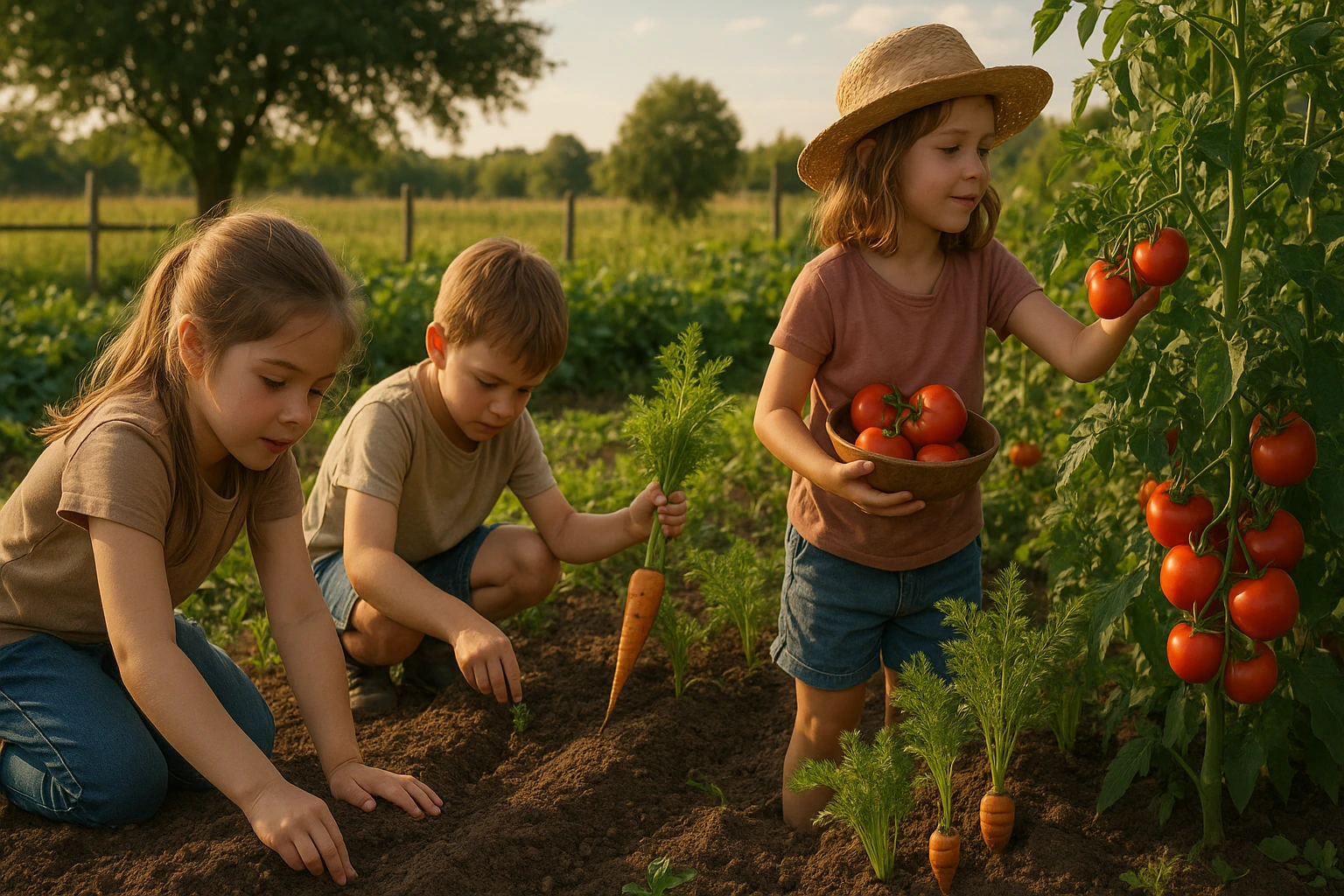
Food education programs work best when children actually plant, grow, and harvest their own vegetables instead of just learning from books. You want kids to understand where food comes from, but classroom posters and worksheets don’t create that connection.
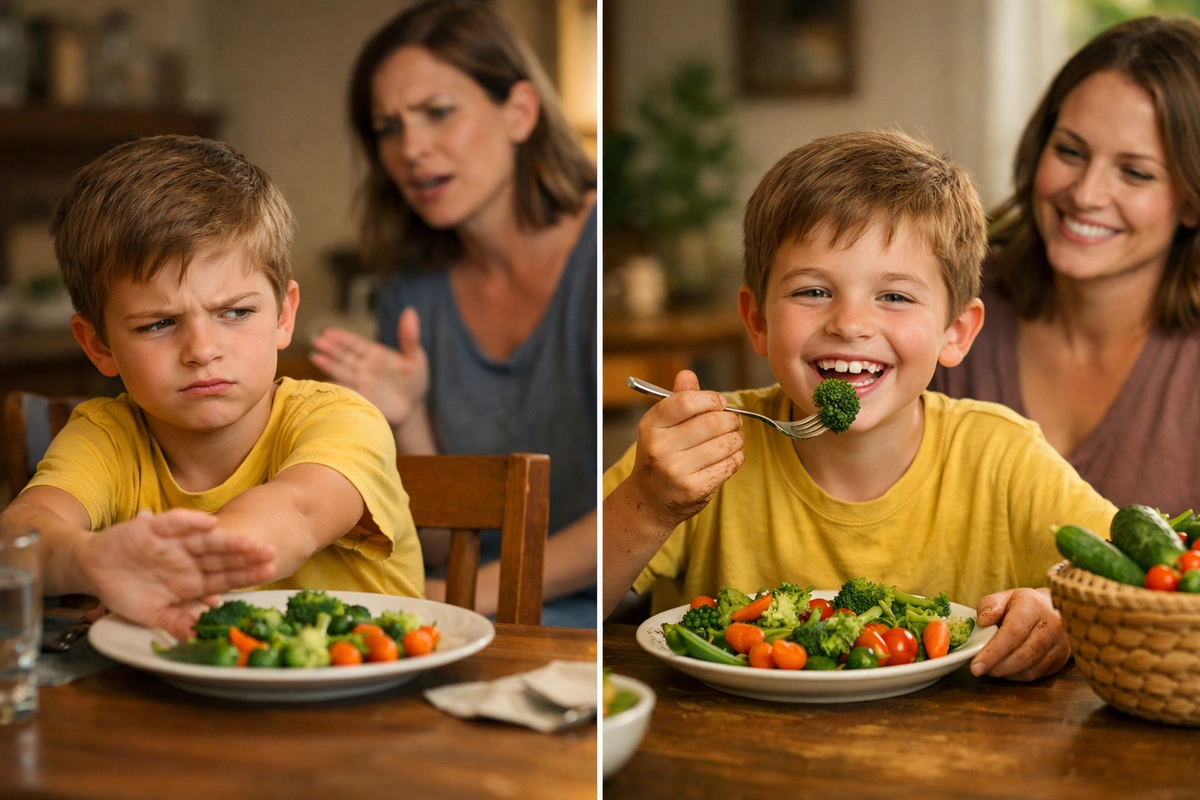
Here’s the problem: most schools teach nutrition facts that students forget within weeks. (It’s more common than you think.) Children memorize food groups for tests, then go home and refuse to eat anything green. That disconnect happens because they’re learning with their ears, not their hands.
However, hands-on growing gives children real experience with food. When students dig in garden soil, plant seeds, and watch tomatoes ripen, they use all their senses to learn. Let’s look at why school garden programs build understanding that classroom lessons simply can’t match.
Why School Garden Programs Create Stronger Learners
School garden programs create stronger learners because children retain information better when they physically interact with plants instead of just reading about them. And here’s the thing: touching soil and pulling weeds builds memory in ways textbooks never will.
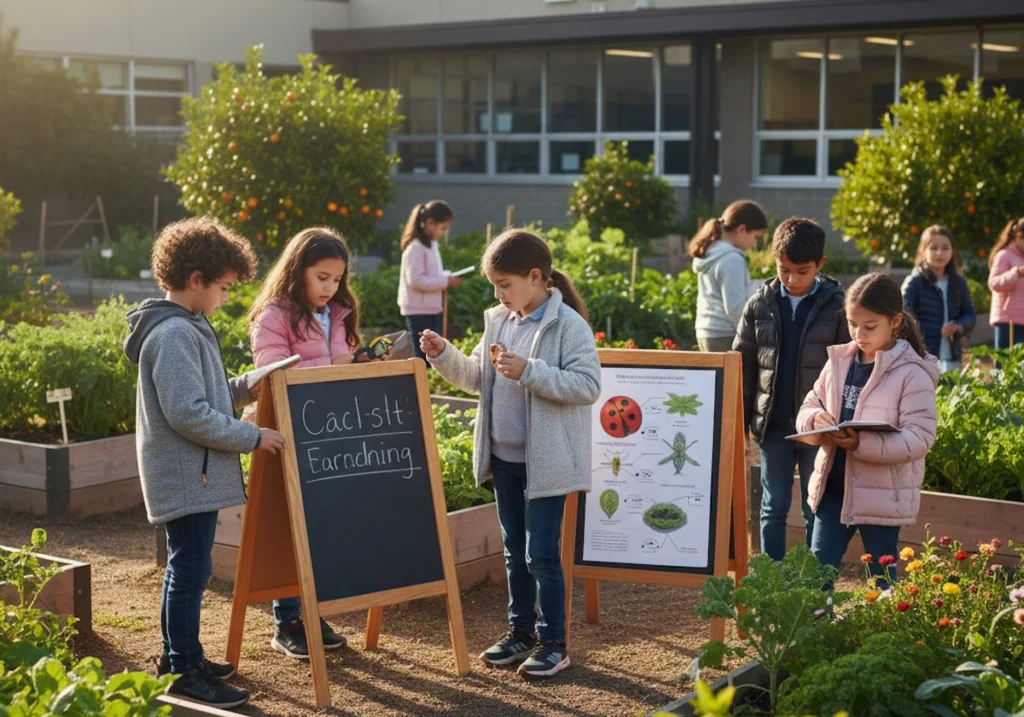
Kids Remember What They Actually Grow
Students who plant seeds and watch them sprout build memory connections stronger than any worksheet about plant growth. When children harvest vegetables they grew themselves, they understand the food cycle without needing lesson plans to explain it.
A third grader might forget what photosynthesis means by next week. However, she’ll remember the cherry tomato plant she watered every school day.
Garden programs give students hands-on learning that sticks because the experience lives in their bodies, not just their brains. So teachers notice this difference immediately when kids talk about their garden work months later.
Food Education Programs Need Real Experience
Talking about healthy food means nothing when kids have never smelled fresh basil or picked ripe strawberries themselves. School garden programs let children see how long vegetables take to grow, teaching patience and appreciation that no classroom lecture can provide.
Garden educators know that real experience wins every time. The reason is simple: students learn through doing, tasting, and seeing actual results in the natural world around them.
Hands-On Learning Activities Build More Than Knowledge
The best part about hands-on learning activities is that they develop multiple skills at once while kids think they’re just having fun outside. Let’s look at what actually happens when children work in school gardens.
Fine Motor Skills Improve Through Planting
Pinching tiny seeds and placing them in soil develops hand coordination better than most classroom activities. Small gardening tools strengthen finger muscles while children stay engaged with planting tasks. (Not the most exciting task, admittedly.)
When students transplant seedlings, they need gentle touch and precision. Those same skills transfer directly to writing and holding pencils. Plus, using garden tools gives children practice with hand movements they’ll need for everyday life tasks.
Social Skills Develop While Harvesting Together
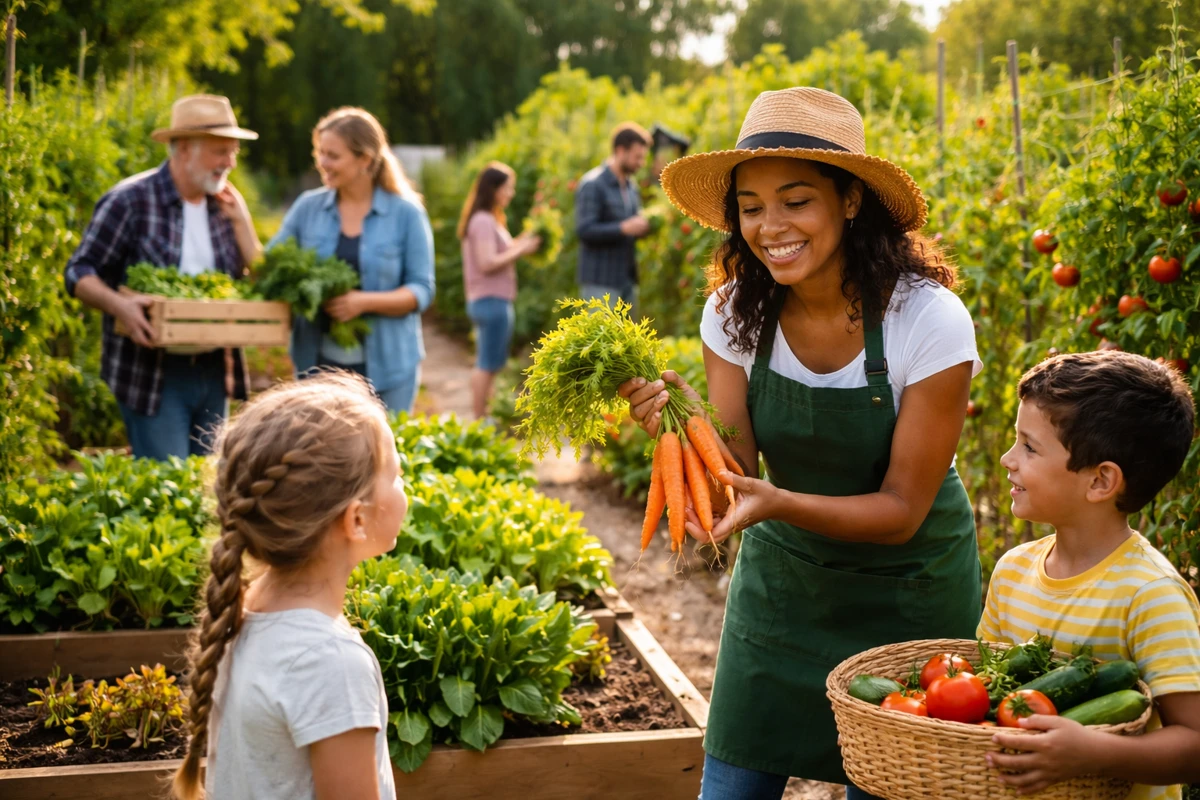
Kids learn to share space, take turns watering, and work as teams when maintaining garden beds. In our experience with hundreds of young gardeners at Truck Farm Omaha, older children naturally teach younger ones how to plant properly. Yes, a perfect example of leadership is built without formal instruction.
Celebrating harvests together creates community bonds that isolated classroom learning can never build among students. Garden work encourages cooperation because everyone contributes to growing the food. These food-growing projects teach students valuable social skills they’ll use throughout their lives.
What Classroom Lessons Can’t Teach About Food
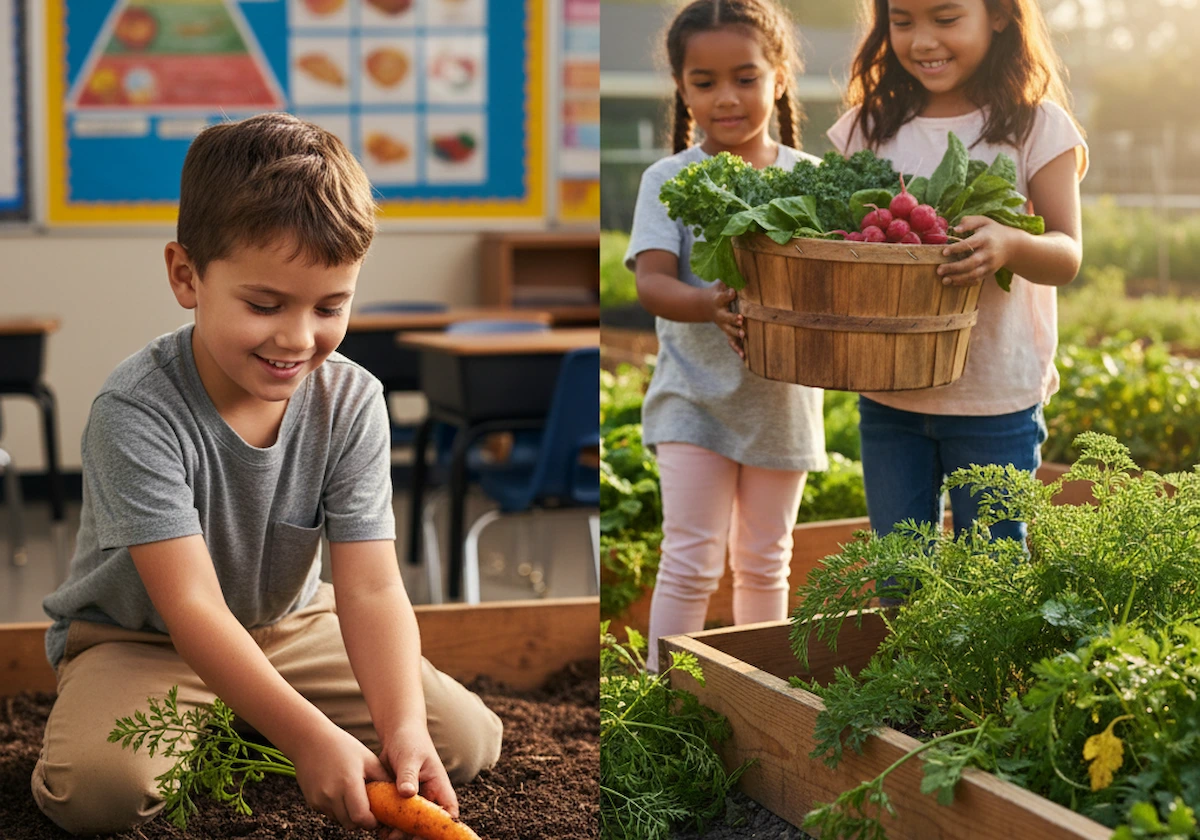
There are a few things classroom lessons simply can’t teach about food. Ever notice how kids can recite food pyramid facts but won’t touch a vegetable at dinner? (We’ve all been there.) It’s because nutrition education on paper doesn’t create real understanding. No poster explains why tomatoes taste sweet or how dirt smells after rain. Sensory learning happens outside, not in classrooms.
Children understand seasons and weather impacts after their plants struggle or thrive based on conditions. A late frost kills their lettuce, showing them that timing is everything for growing food. The reason this lesson sticks is simple: garden failures teach problem-solving in ways worksheets never could. Plants don’t grow as expected, forcing students to investigate what went wrong.
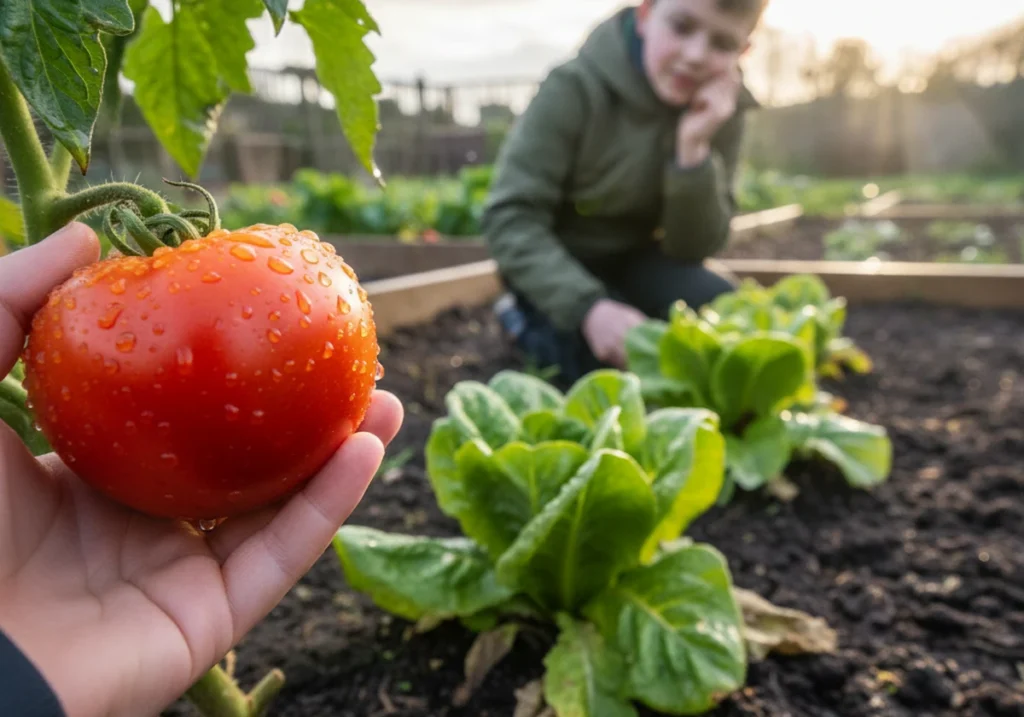
Schools connect children to food sources through hands-on experiences that reading materials never achieve. Watching vegetables grow from seed to harvest gives students knowledge that actually changes how they think about their meals. Once kids see their own garden develop through the school year, science lessons about plant biology finally make sense.
Field Trips vs. Regular Hands-On Garden Time
Regular garden time beats one-time field trips because repeated exposure turns curiosity into actual understanding. Here’s what’s interesting: when push comes to shove, consistency wins over excitement every single time.
|
One-Time Field Trip |
Regular School Garden Program |
|
Creates excitement for a day |
Builds understanding over months |
|
Shows where food comes from |
Turns kids into actual growers |
|
Limited hands-on time |
Daily or weekly practice |
|
No follow-through after visit |
Learning compounds through school year |
The difference becomes clear after you compare the results. Field trips give students a fun experience, and then everyone goes back to their regular routines.
Garden programs work differently, though. Students tend plants week after week, watching seeds become vegetables they can actually eat. That repeated practice creates real knowledge about food systems.
Garden educators notice how children develop deeper connections to nutrition after months of hands-on work. So by spring harvest time, kids understand growing cycles instead of just remembering one exciting farm visit.
How Food Education Connects When Kids Get Dirty
Why do children who garden suddenly start asking about farmers’ markets and vegetable stands? After years of working with urban youth in Omaha gardens, we’ve seen this pattern countless times. It’s because getting hands dirty helps kids hit the nail on the head about where their food actually comes from.
Dirty fingernails and muddy knees signal real learning happened, not just passive listening in comfortable chairs. Children who plant and harvest vegetables actually try new foods, while nutrition lessons rarely change eating habits. Garden work creates that connection naturally.
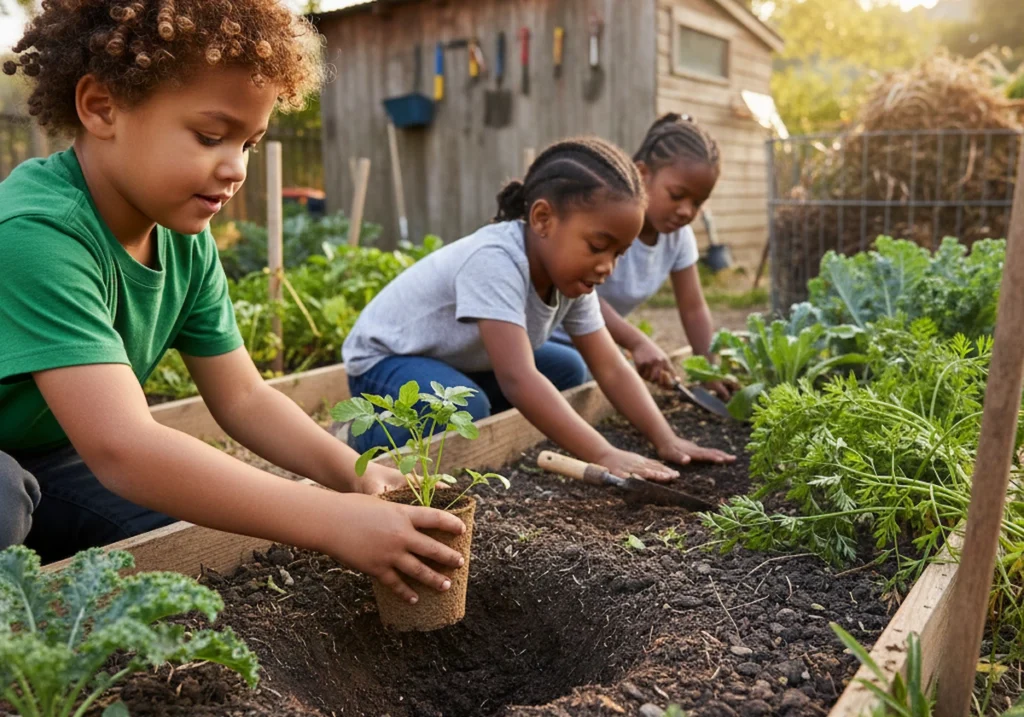
Getting hands dirty helps urban youth see the real link between seeds and grocery store produce. Students learn that vegetables don’t magically appear on shelves. That understanding develops when kids grow their own food and realize it takes work, time, and care to grow.
Real Results: What Happens After Harvest
Now that you know how hands-on growing works, here’s what actually happens when kids bring their harvests home. Want to know the best part?
After harvest, you’ll see:
- Kids who grow food eat more vegetables, not because someone told them to, but because they’re genuinely curious about what they created.
- Students take garden knowledge home and start asking parents about growing food in their own yards or finding space for container plants.
- Hands-on programs create confident young people who understand food systems instead of just memorizing nutrition facts for tests.
Garden programs connect children to cooking and eating in ways that transform family meals. Community gardens help parents notice their kids are suddenly interested in trying new vegetables at dinner. The reason? Students developed real relationships with the food during the months of garden work.
Let Them Learn by Getting Their Hands Dirty
At the end of the day, classroom nutrition lessons work better when paired with real gardens where kids can learn by doing. Theory alone won’t create the food education children need.
Give children access to dirt, seeds, and growing spaces where they can learn through experience. Urban gardening programs offer resources and lesson plans that teachers can use to connect students with the natural world. Garden educators and parents both play a role in supporting hands-on learning.
Hands-on food education works because kids remember what they do, not what they hear. Garden programs teach children about nutrition, science, and life skills all at once. So let students get dirty, plant seeds, and discover how food really grows.