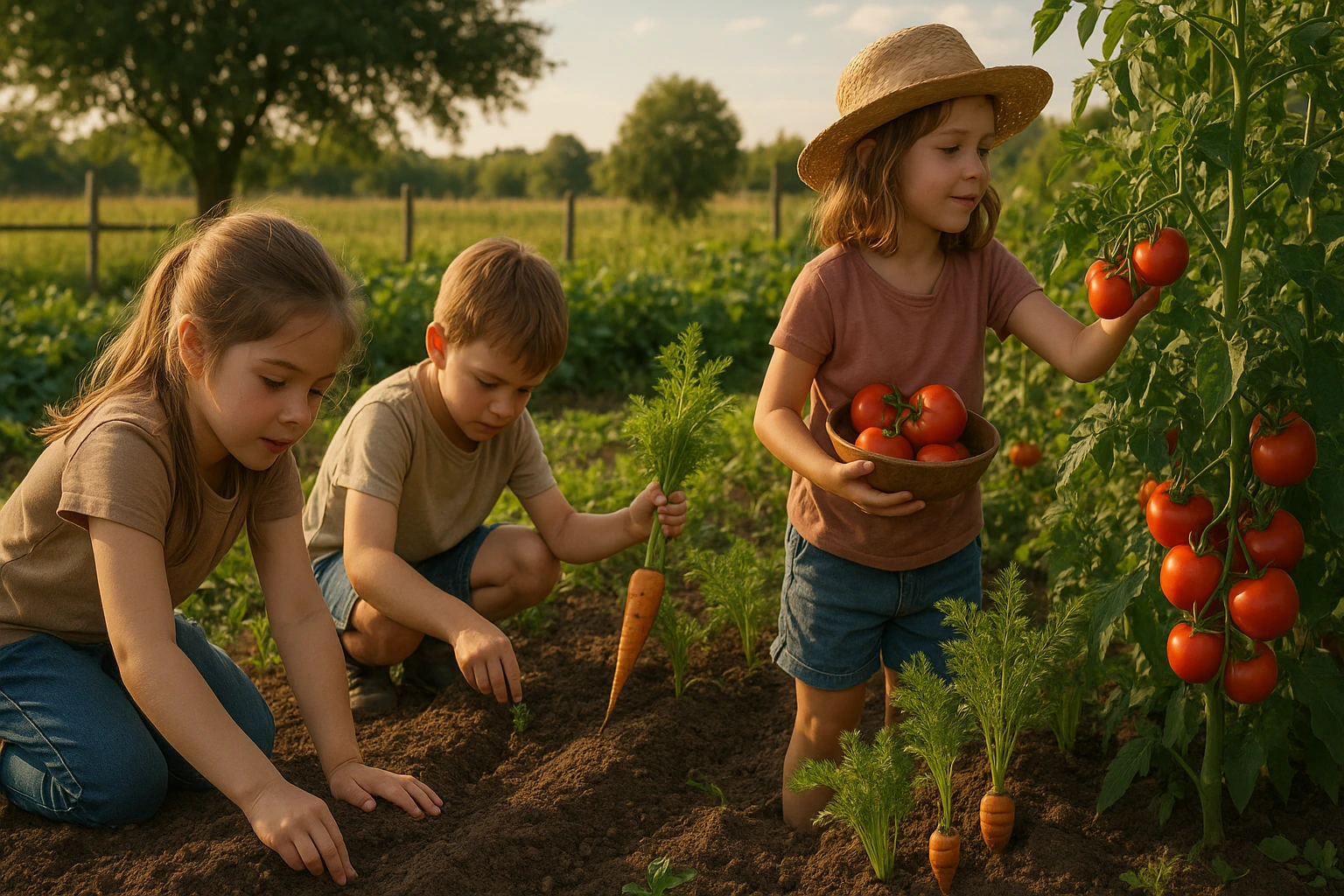
Kids understand nutrition better when they grow their food themselves because they see where food comes from. When children plant seeds, watch carrots grow underground, and harvest their own tomatoes, kids’ nutrition becomes real instead of abstract. But that’s not all.
You might be wondering how a handful of dirt changes everything. Garden-grown vegetables taste better to children than store-bought ones because kids feel proud of what they grew. That pride makes them want to eat it.
If you don’t want to fight over broccoli at dinner anymore, stay with us. Let’s dig into how gardens turn picky eaters into adventurous tasters.
What Happens When Kids Grow Their Own Food?
Kids who grow their own food develop stronger connections to nutrition and make healthier eating choices throughout their lives. However, the connection doesn’t happen overnight. It takes patience and a few garden tools here and there for children to start linking planting and eating.
Picture this. A child plants a seed, waters it for weeks, and finally pulls a carrot from the soil. That carrot means something different from one from the grocery store. They remember the work they put in, and suddenly that carrot becomes more than just food.
This hands-on experience rewires how kids think about vegetables. Multiple studies show that kids who participate in gardening eat more vegetables and fruits without parental pressure.
The truth is, when children see how vegetables grow from tiny seeds into something they can harvest and eat, the garden becomes their teacher. Every harvest turns into a nutrition lesson they won’t forget.
But how does this magic happen?
Gardening Turns Picky Eaters Into Adventurous Tasters
Ever watched a child refuse green beans at dinner but happily munch on snap peas straight from the garden? Research shows kids who participate in school gardens eat a half serving more vegetables per day. (And yes, that includes Brussels sprouts.)
Here’s why gardens change that.
Touching Plants Creates Curiosity
Kids who touch tomato plants or smell herbs become interested in tasting them. When children run their fingers along fuzzy leaves, something clicks. That physical connection removes fear before food reaches the plate.
Vegetable Intake Rises Naturally
Children eat more vegetables when they grow them compared to store-bought produce. When a child says, “I grew this,” pride takes over. That ownership pushes pickiness aside without any bribing needed.
Pride Drives Willingness to Try
Drawing from our experience, we’ve watched children who refused salads suddenly ask for seconds when the lettuce came from their garden bed. Kids share their harvest with family members and encourage others to try it.
Once they feel that pride, they want to learn what makes their food healthy.
Nutrition Education Through Hands-On Planting
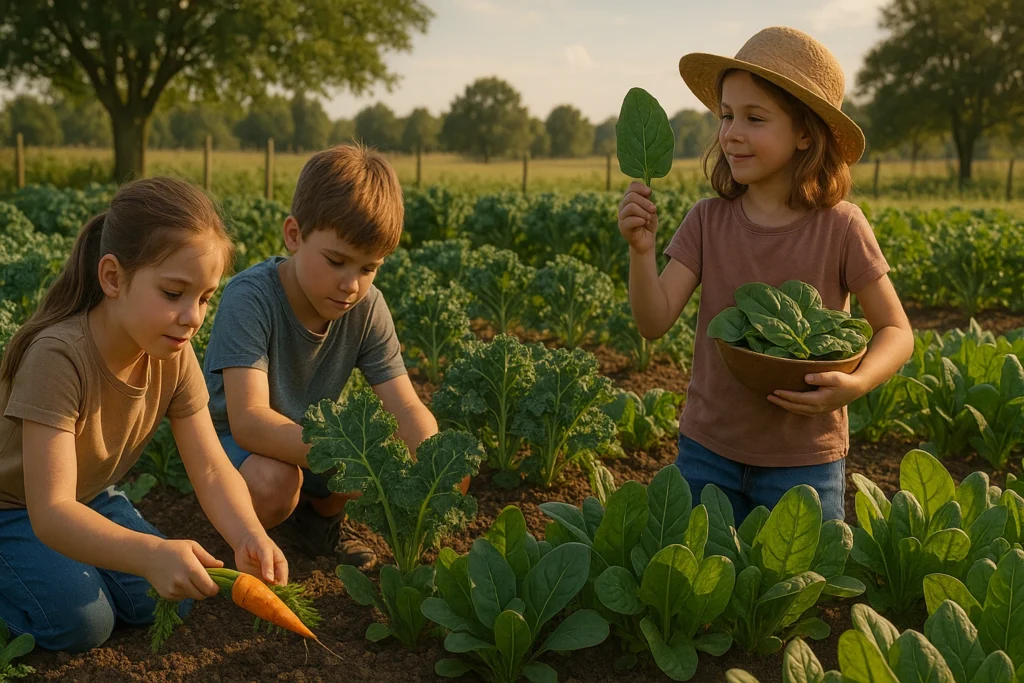
Garden-based learning helps kids remember nutrition facts because they experience them firsthand. Let’s see what they learn.
Where Vitamins Come From
Kids learn carrots contain vitamin A by watching that bright orange color develop underground. When children grow kale and spinach, they start understanding where calcium comes from. That’s when it clicks. Teaching about nutrients becomes real when kids can connect those leafy greens to having strong bones.
Dietary Fiber in Real Life
Kids see how beans and peas grow in pods and learn that these foods help digestion. Children discover that fiber is what does the work when they observe plant structures up close. Also, growing whole grains shows them why unprocessed foods beat refined options like white bread.
Natural Sweetness Versus Added Sugars
Tasting fresh strawberries teaches kids that fruits contain natural sweetness without any processing. This discovery makes them curious about other foods. Children compare garden tomatoes to ketchup and suddenly understand how added sugars change real food. (We’ve all seen that label-reading moment when it clicks.)
But why does touching soil work better than textbooks?
Why Does Touching Soil Beat Reading Textbooks?
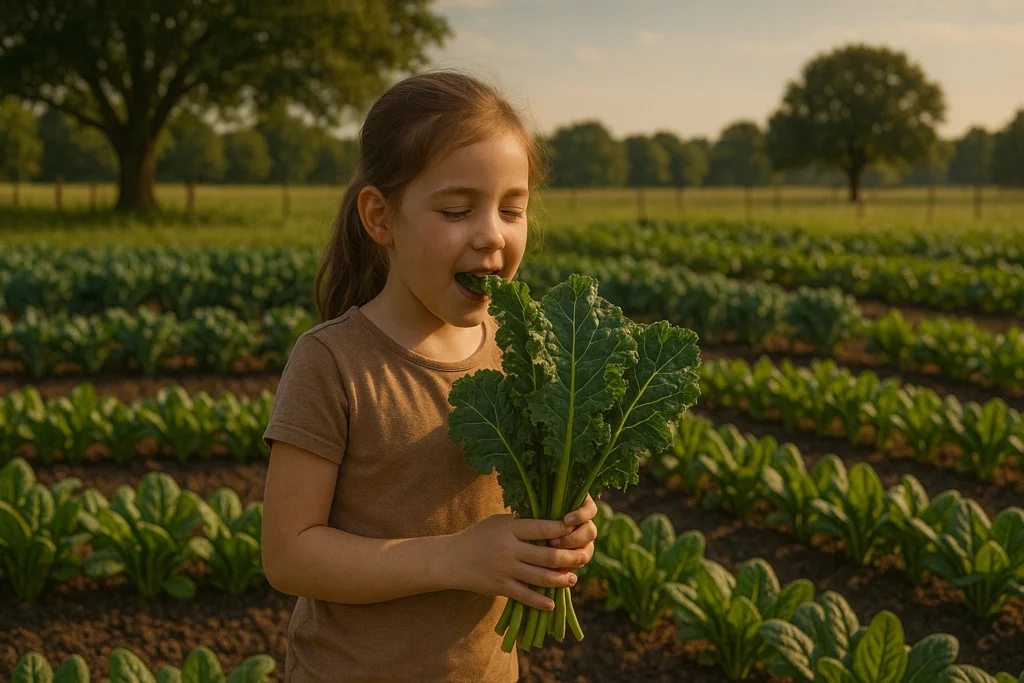
Touching soil beats reading textbooks because the brain processes hands-on experiences differently. When children touch soil and plant seeds, something clicks. Their brains start creating stronger memory pathways that last. Besides, memory sticks when kids get their hands dirty instead of just reading facts in black and white.
That’s where school nutrition lessons fall short. A child might memorize that vitamin D helps bones, but by next week, it’s forgotten. In the garden, that same child picks kale and eats it for lunch. This is when the experience connects the dots between nutrients and real food.
When learning involves action, kids make healthier food choices naturally.
Making It Work: Garden Learning for Busy Families
Garden learning is the fastest way to teach nutrition without feeling like you’re teaching at all. You don’t need acres of land or hours of free time.
Start small. Container gardens on balconies or patios work perfectly for families without yard space. Just a few pots of tomatoes, herbs, and lettuce give kids everything they need.
Through our practical work with Omaha families, weekend planting sessions have proven that parents don’t need daily garden time. One Saturday morning of planting can lead to weeks of learning.
If your child’s school offers a garden program, that’s even better. School garden programs let kids learn during class while parents support at home without breaking the bank. Even in winter, growing herbs in kitchen windowsills provides year-round opportunities for hands-on nutrition education.
Can Gardening Create Lifelong Healthy Breakfast Choices?
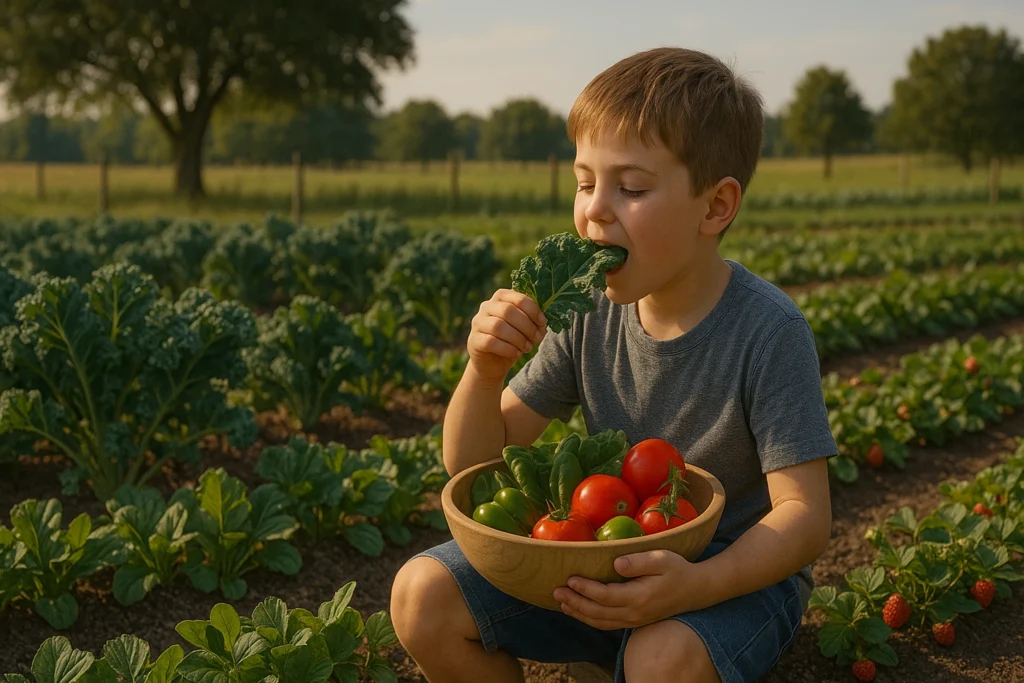
Gardening creates lifelong healthy breakfast choices because what kids plant at age seven influences their food choices at seventeen. Believe it or not, those early garden experiences stay.
When children grow their own fruits and vegetables, they develop preferences that last into adulthood. For example, a child who harvests strawberries learns to choose fresh fruit over sugary cereals for breakfast. (If you’ve watched a kid pick an apple over candy because they grew it, you know this.)
Do you know what’s interesting here? These garden habits don’t disappear when kids grow up. Adults who gardened as children still eat more whole grains and maintain healthier diets. Those early experiences with fresh food influence their breakfast choices for life.
Watch Your Kids Bloom
Getting kids to eat healthy shouldn’t feel like a constant struggle. Children naturally resist vegetables when they see them as foreign objects on their plates. The solution lies in letting them grow those vegetables themselves, turning resistance into curiosity and pride.
We’ve walked you through how touching soil creates stronger nutrition lessons than any textbook. Garden learning turns picky eaters into adventurous tasters naturally.
At Truck Farm Omaha, our team takes families through every step they need to start garden-based learning. Visit our kids’ nutrition programs and watch your children develop skills that shape their food choices for life. Let’s grow something amazing together.