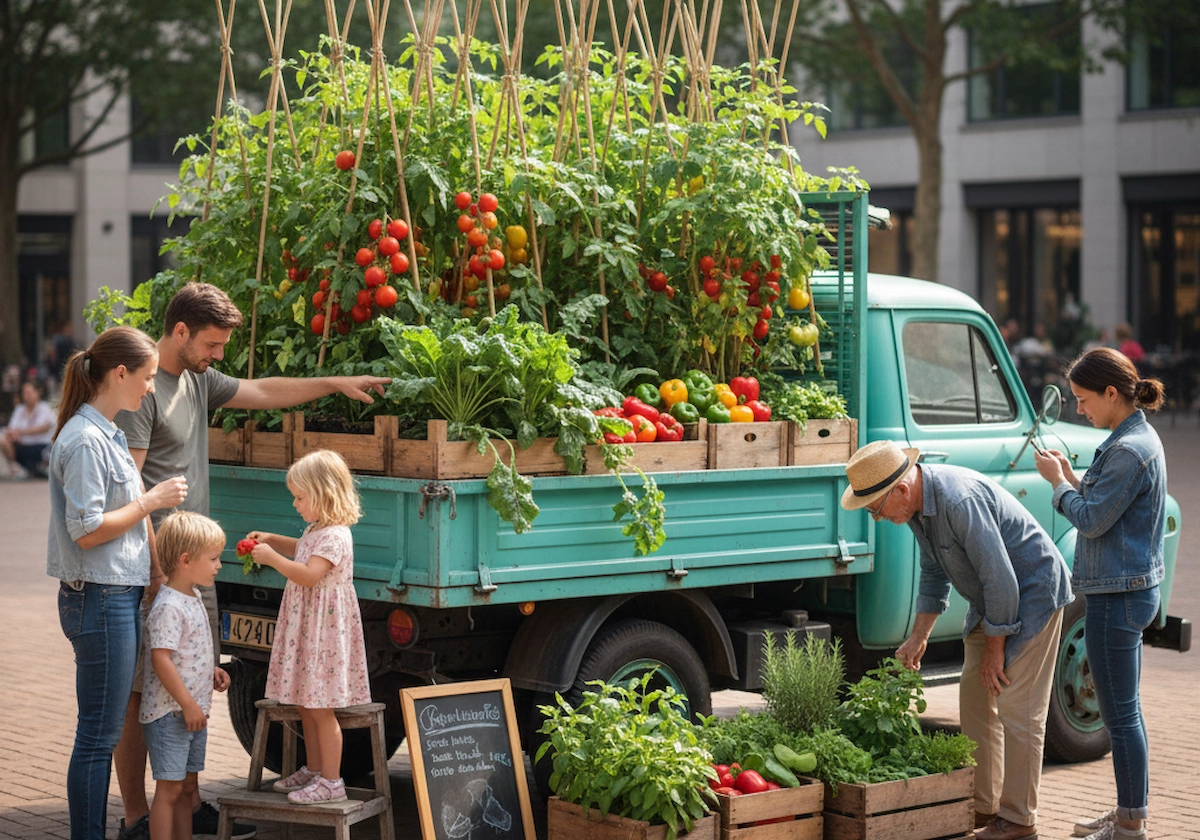
Most kids think food appears magically at the grocery store. They don’t connect tomatoes to actual plants or understand the work behind growing nutrition. Mobile gardens change that perspective completely by bringing real soil, seeds, and growing experiences directly to children wherever they are.
If you’re looking for ways to teach young people about health and food in a hands-on way, you’re in the right place. Today, we’ll show you how gardens on wheels shift how children see their meals and make better choices.
First of all, we’ll explore what makes these programs different and why kids respond so well. Here we go.
What Makes a Mobile Garden Program Different from Regular Gardening?
A mobile garden program brings growing experiences directly to kids instead of requiring them to travel somewhere else. Think about it this way: the garden comes to your school or community center rather than asking families to drive across town to visit a farm.
Regular gardens need permanent space, which many residential complexes and urban areas simply don’t have (which explains why so many neighborhoods miss out). The mobile approach solves the access problem.
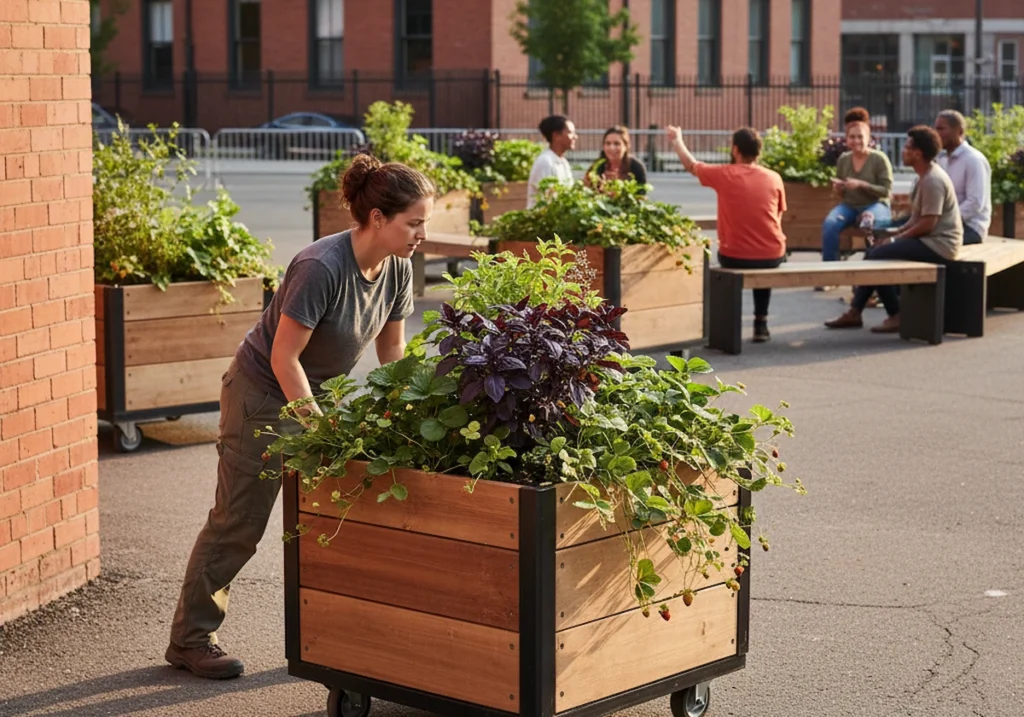
Kids get consistent weekly exposure to plants without needing a dedicated garden space at their location. The program reaches communities where traditional gardens can’t fit. Teachers don’t need to arrange field trips or worry about transportation costs. Instead, the mobile gardens roll right up to where children already spend their time.
When Kids Touch Soil, They Start Asking Questions
Ever notice how kids get curious the second they put their hands in dirt? Something about touching real plants and watching seeds sprout makes children want to understand the whole process.
In our experience with hundreds of young gardeners, questions start flowing the moment learning becomes hands-on rather than something they read about in books.
Let’s look at the most common questions kids ask.
Where Does My Food Really Come From?
Children trace carrots back to seeds rather than assuming grocery stores create produce. When kids grow their first vegetable, they realize farmers grow food intentionally through careful planning, not by random luck.
They discover vegetables need specific care, water, and sunlight before becoming something edible. One child told us she thought cucumbers just appeared on shelves. After growing her own, she understood the weeks of attention each plant requires.
Why Do Some Vegetables Taste Better Fresh?
Freshly picked tomatoes taste sweeter because sugars haven’t converted to starch yet. Kids compare garden vegetables to store versions and notice real flavor differences immediately.
The reason comes down to time and distance. Store produce travels for days, sometimes weeks, before reaching your table. Garden vegetables go from plant to plate in minutes, keeping all their natural flavor intact.
How Long Does It Take to Grow What I Eat?
Radishes sprout in three weeks, teaching patience while showing relatively quick results. Tomatoes take months from seed to harvest, demonstrating the real commitment behind food production.
When children watch this timeline unfold, they connect time investment to food value. They appreciate meals more after seeing the development stages. Plus, they learn that good things take time, which applies to way more than just growing food.
Mobile Gardens Build Habits That Last Beyond Childhood
The best part about early gardening experiences is that they shape food choices for life. Children who garden early develop lifelong preferences for vegetables over processed foods. Here’s what’s interesting: these aren’t temporary changes that fade after a few months.
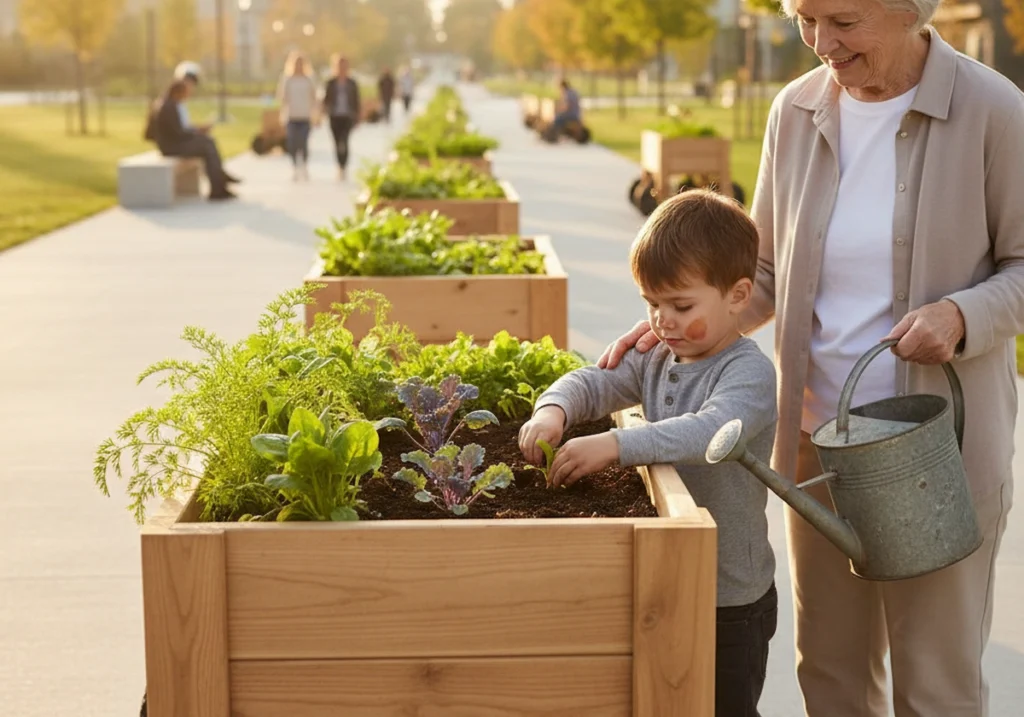
Hands-on growing experiences create emotional connections that influence adult eating decisions down the track. When someone remembers planting spinach as a kid, they’re more likely to buy it at the store twenty years later. That personal history with healthy food sticks around in ways classroom lessons never do.
Beyond eating habits, kids learn problem-solving through plant care. If a tomato plant wilts, they figure out whether it needs water, shade, or different soil. Those troubleshooting skills transfer to other areas as they grow up, from fixing bicycles to managing school projects.
Nutrition Education Gets Real When Kids Harvest Their Own Food
Pulling a carrot from the soil teaches more about nutrition than any classroom poster ever could. Abstract lessons become concrete when children pick and eat what they grew through food growing projects.
Here’s what makes garden-based nutrition education work so well:
- Direct interaction with plants: Kids learn vegetable names, colors, and nutrients by touching and tasting actual food. They start recognizing which vegetables provide protein and which ones contain vitamins their bodies need.
- Real nutrients become visible: Children discover proteins, vitamins, and minerals exist in real food, not just textbooks. One student told us he never realized nutrients were physical things inside vegetables (it’s more common than you think).
- Immediate rewards: Tasting fresh produce right after harvest makes nutrition feel rewarding instead of boring. When a teacher explains that leafy greens contain iron, it hits the nail on the head better after kids have actually grown and eaten fresh spinach themselves.
Garden experiences turn abstract nutrition education into something kids can see, touch, and taste. That hands-on connection sticks with them far longer than memorizing food groups from a chart.
Healthy Eating Starts Making Sense in the Garden
Healthy eating becomes easier for kids when they grow the food themselves. Children see variety in vegetables, understanding why eating different colors matters nutritionally. Drawing from our experience with youth programs, we’ve noticed kids who grow their own vegetables eat way more of them compared to children who only see produce at stores.
Garden work burns calories while teaching food production, connecting physical activity to eating naturally. Makes sense, right? When children spend an hour watering plants and pulling weeds, they’re exercising without realizing it.
Plus, kids who grow food eat more vegetables because familiarity reduces fear of trying new things. That weird-looking purple eggplant becomes interesting instead of scary after watching it grow for weeks.
Can a Garden on Wheels Teach Kids About Whole Grains?
Most kids have never seen a wheat plant growing, so how would they know what whole grains really are? The thing is, mobile gardens can include wheat, oats, or other grain plants that children rarely encounter (something most people overlook until mealtime).
Watching grain development from flowering to seed formation over the growing season gives kids a complete picture. They see how tiny flowers transform into seed heads, then learn that those seeds become the grains in their breakfast cereal or bread.
What’s more, children learn that whole grains contain the entire seed, unlike processed white flour products that strip away important parts. After seeing actual grain plants in gardens, kids understand what “whole” means in a nutrition context. The term stops being abstract and becomes something they can picture clearly when making food choices.
What Happens When Children See a Healthy Diet Growing?
Now that you know how gardens teach individual nutrition concepts, let’s look at the bigger picture. Kids recognize balanced meals need multiple food groups after watching various plants grow together:
- Tomatoes, lettuce, and carrots grow side by side
- Different vegetables provide different nutrients for health
- Variety in gardens equals variety on plates
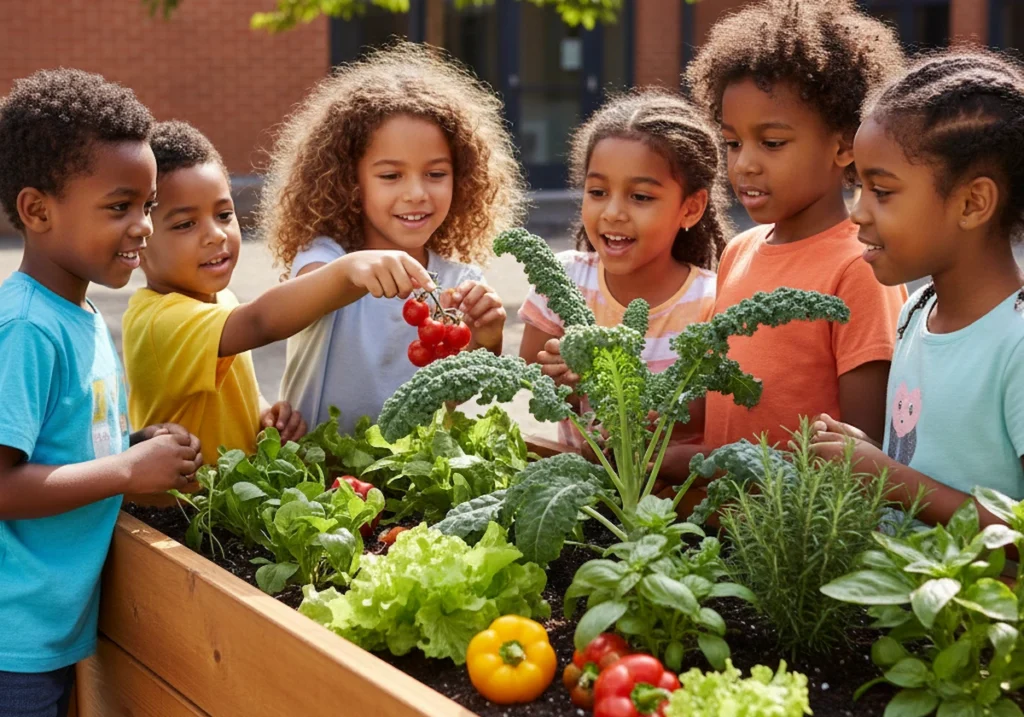
They understand seasonal eating patterns when certain vegetables only grow at specific times. Tomatoes thrive in summer heat, while lettuce prefers cooler months.
At the end of the day, children connect garden diversity to plate diversity. A healthy diet starts making intuitive sense rather than feeling like confusing nutrition rules.
Start Your Own Food Story Today
You’ve seen how mobile garden programs change the way children understand food and nutrition. Well, these opportunities exist right in your community. Schools, community centers, and neighborhoods across Omaha host year-round learning programs that bring gardens directly to young people.
So what’s the next step? Your child doesn’t need to wait to get involved. Truck Farm Omaha creates hands-on experiences where kids connect with real plants, discover where their food comes from, and build healthier habits that last.
However, early exposure creates the strongest foundation. The food literacy your child develops today protects their health for decades down the track. Their story with gardens and nutrition can begin right now.