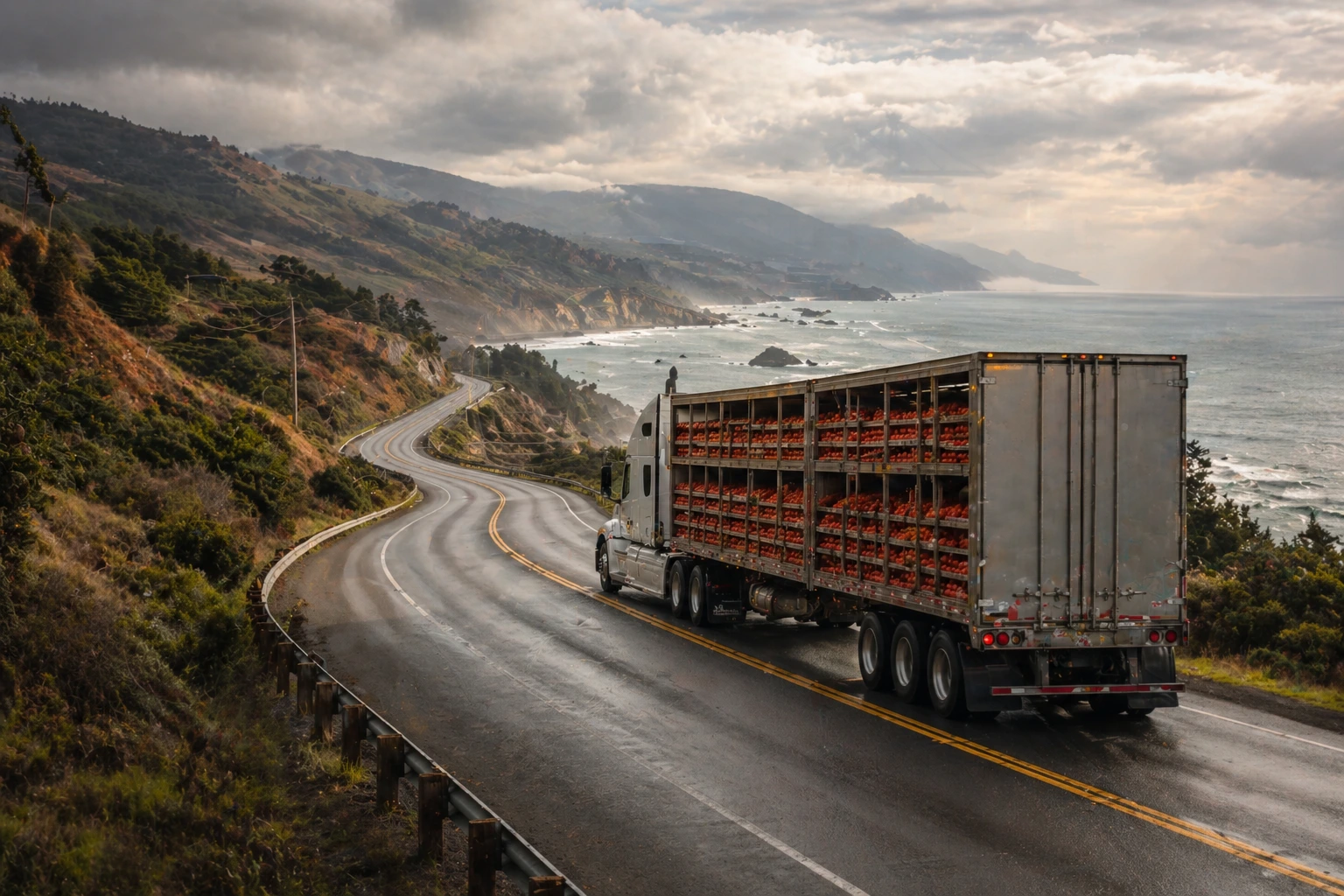
You’ve probably walked through a grocery store and grabbed tomatoes without thinking twice about where they came from. And here’s the thing, most produce travels over 1,500 miles before it lands on the shelf. By the time you eat it, a good chunk of the nutrients and flavour are already gone.
That reality is a big part of why we started Truck Farm Omaha. Our mobile gardens roll through neighbourhoods across the city, teaching kids and families how to grow their own food from seed to harvest. And after years of doing this work, we’ve learned a lot about what eating locally grown foods can actually do for a household.
So with all of that in mind, this guide walks you through the real local food benefits, how local food supports your community, and how to start gardening in small spaces or even indoors. No fluff, just stuff you can actually use.
What Are the Real Local Food Benefits?
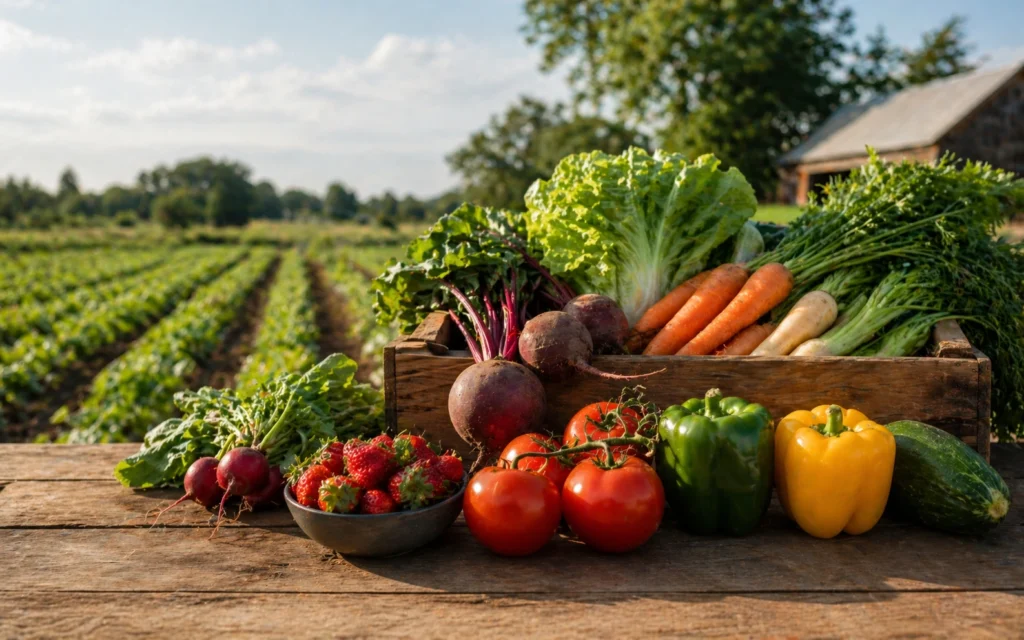
Local food benefits start with one thing you’ll notice right away: freshness. Because locally grown foods travel shorter distances, they reach your plate with more nutrients and better flavour still intact. You can actually taste the difference, and it’s not subtle.
That freshness also means less processing and fewer preservatives along the way (that’s the part nobody puts on the packaging.) So when you eat local food, your body gets more of the good stuff, like vitamins and nutrients, that fade during long shipping routes.
On top of that, eating locally grown foods connects you to what’s in season around your region. You end up building meals around crops picked just days ago, and your plate is better for it.
Why Eating Locally Supports Your Community
Ever thought about where your grocery money actually ends up after you check out? When you spend on locally grown foods, a bigger share of that money stays right in your neighbourhood. And the ripple effect goes further than just your wallet.
Here’s how eating locally helps the people around you.
It Keeps Money in Your Neighbourhood
Every dollar you spend at farmers’ markets or with local farmers flows back into your local economy. That money supports the people who grow your food and helps keep local food systems running (more than most people realise, honestly.)
It Builds Real Connections Between People
Beyond the money side, eating local food builds community in a real, personal way. Local food systems create spaces where growers and families actually get to know each other. And programs like community-supported agriculture connect households directly to fresh, seasonal produce from farms they can trust.
How to Grow Your Own Food in Small Spaces
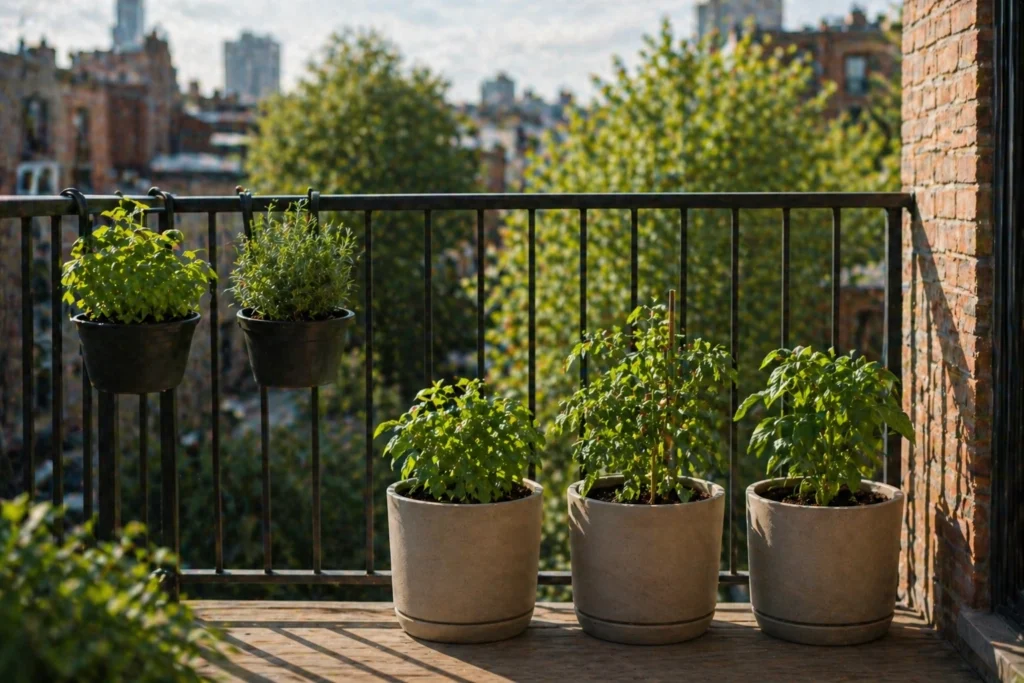
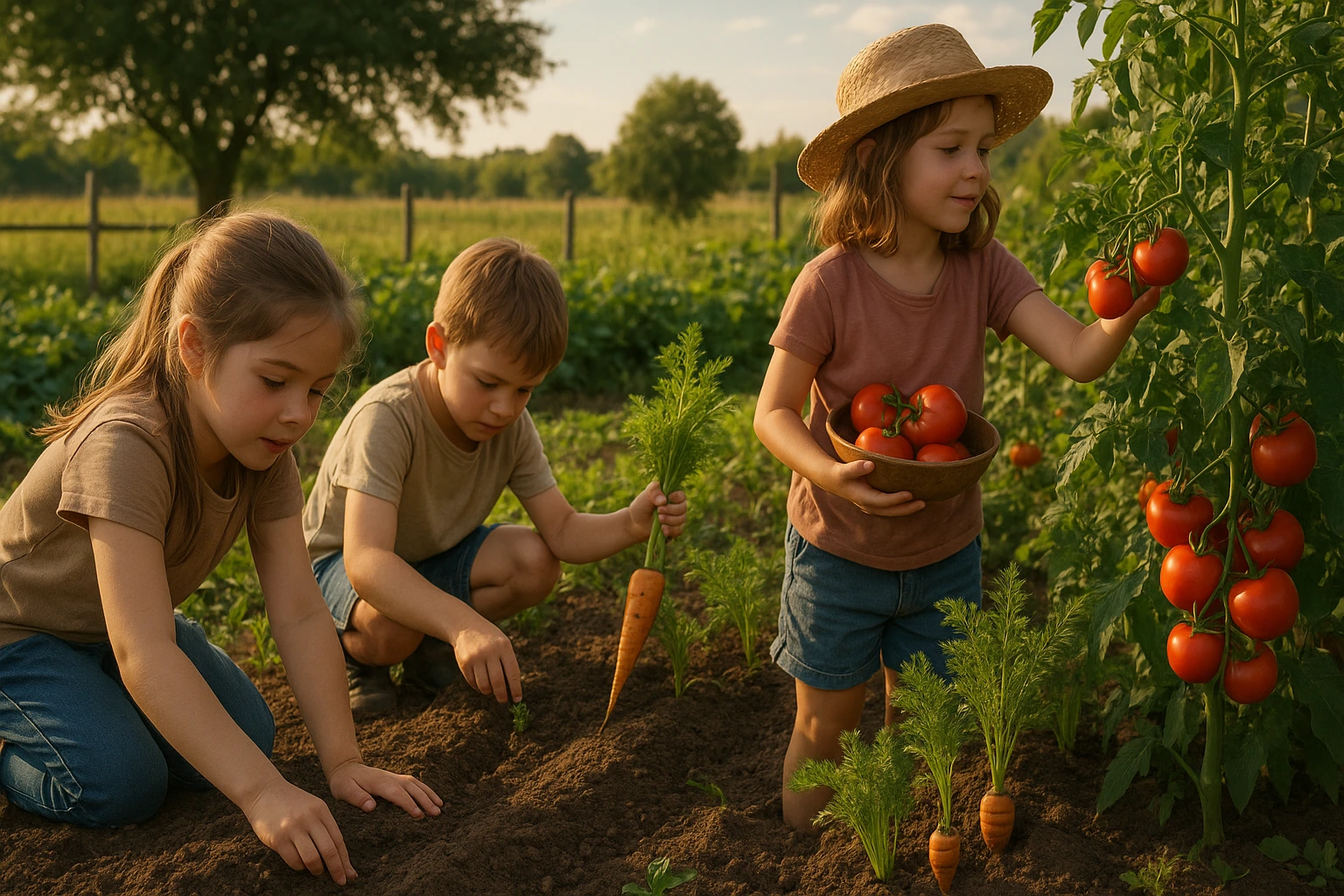
You don’t need a backyard the size of a football field to grow your own food at home. If you have a patio, a balcony, or even a small corner with decent sunlight, you’ll have enough space to start growing food this season.
Now, let’s look at what you can do with the space you already have.
- Container Gardening: Here’s the thing most people don’t realise, a few basic containers can turn a tiny patio into a real food-growing space. You can plant tomatoes, herbs, bell peppers, and even cucumbers in basic pots.
- Beginner Crops: You can start with herbs, lettuce, and fresh tomatoes since they’re some of the simplest crops to grow. Pole beans, green beans, and peas also do well in tight spots, and they grow fast enough to keep you motivated through the season.
- Vertical Setups: If you’re working with limited space, vertical planters and raised beds let you grow more plants without spreading out. You can stack seedlings upward instead of outward, so even a small balcony garden produces a solid harvest.
Start by picking one method, grabbing some seeds, and you’ll start seeing what your space can actually do in no time.
Urban Farming Ideas That Actually Work
Urban farming turns underused city spaces into real food sources for the people who live there. If your neighbourhood has an empty lot or unused rooftop, that space could already be feeding families with locally grown foods.
The most common starting point is a community garden. Families come together, split up plots, and grow everything from tomatoes and cucumbers to herbs and winter squash. But not every community has land to spare. Rooftop gardens and mobile garden programs solve that problem by bringing fresh food directly to the people who need it most
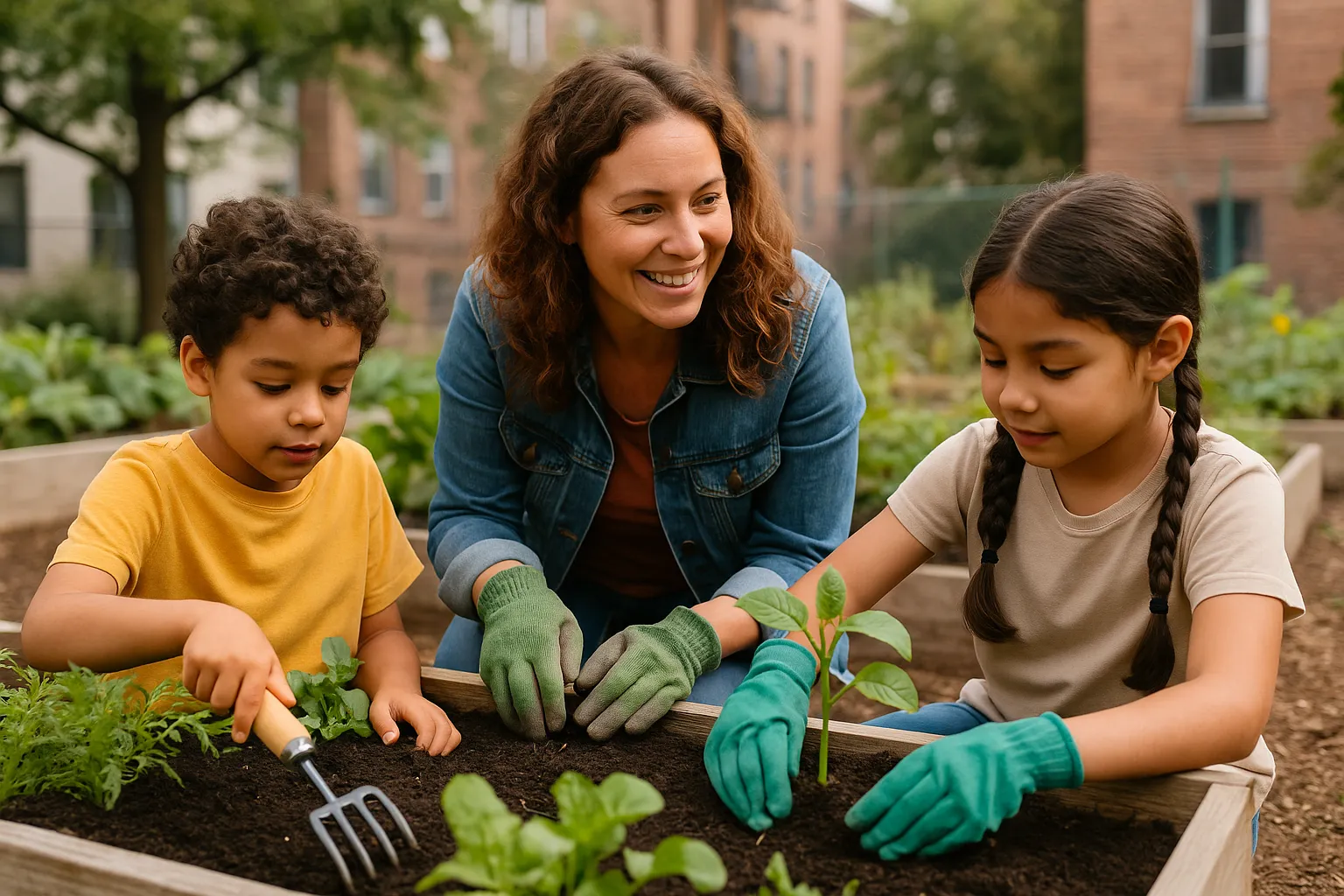
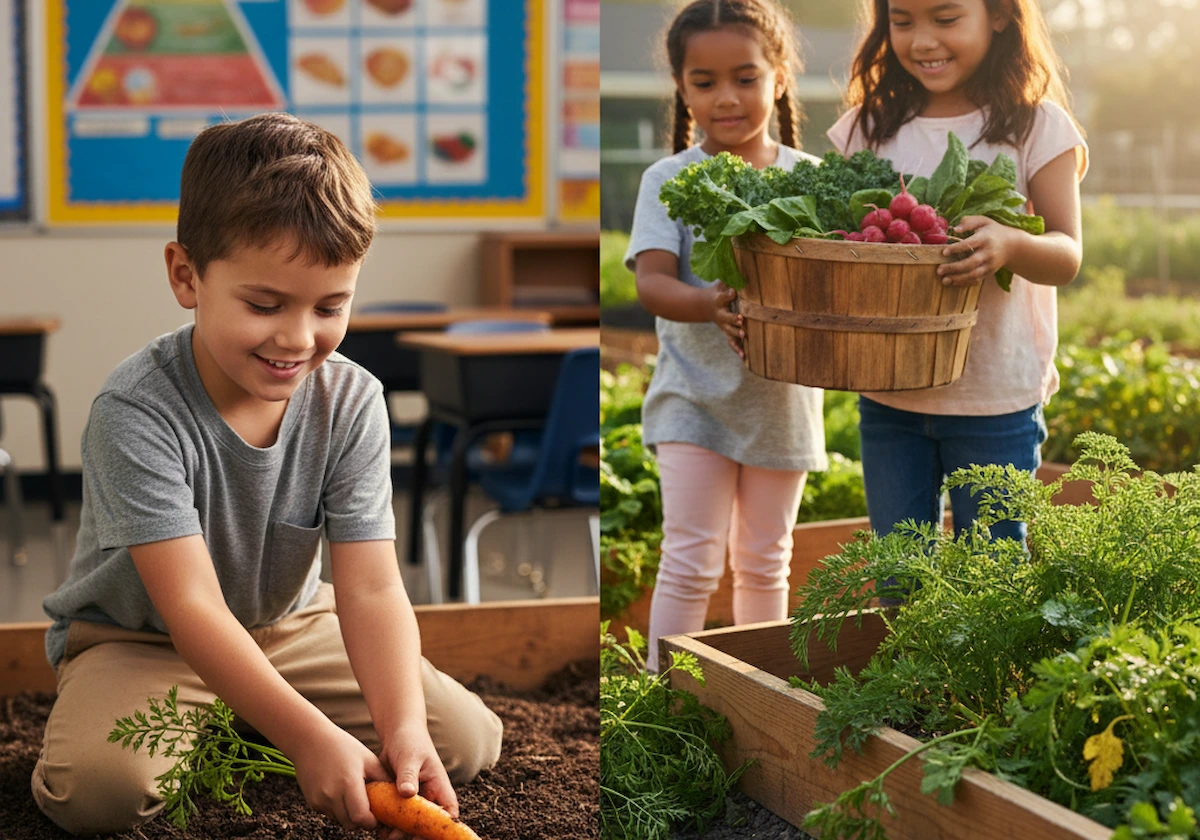
Similarly, our mobile gardens have rolled through communities from South Omaha to North 30th, and we’ve seen kids who had never touched soil go from planting seeds to even pulling crops in a single season. That kind of hands-on gardening changes how young people think about food and nutrition.
Honestly, it’s simpler than most people make it. Here’s a quick look at how these three urban farming ideas compare.
Community Garden | Rooftop Garden | Mobile Garden | |
Space needed | Shared lot or vacant land | Flat rooftop access | Truck bed or trailer |
Best for | Families and other gardeners | Buildings with unused roof space | Schools and community events |
Startup effort | Medium, needs group planning | High needs a structural check | Low, just seeds and soil |
Each of these approaches works in a different setting, so the right pick depends on what your community has available.
Growing Food in Your Indoor Space
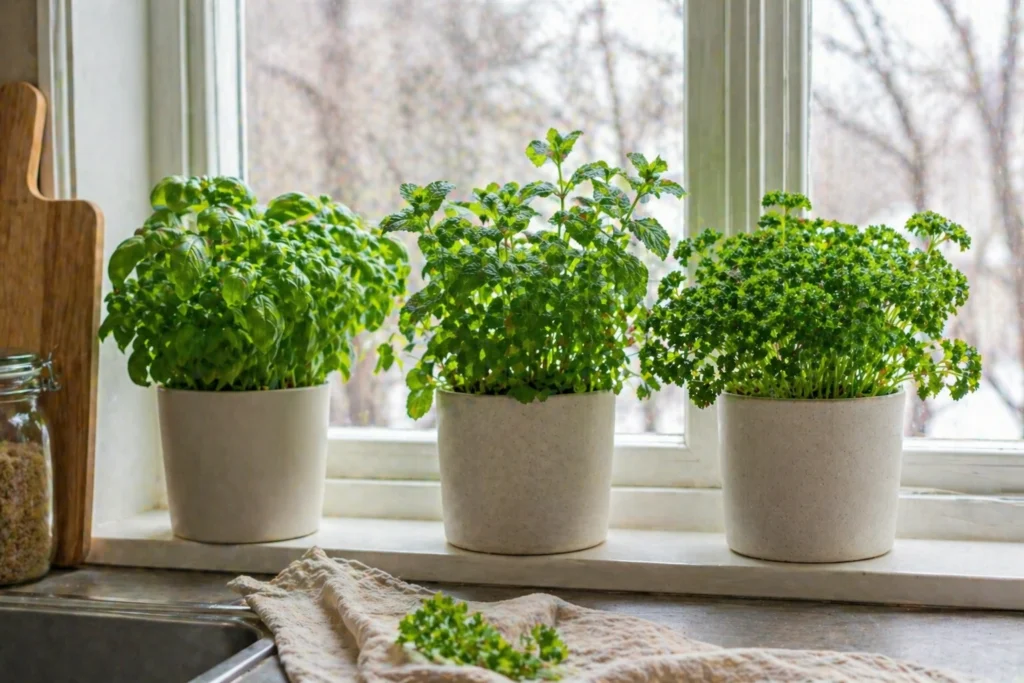
What if the weather outside stopped being a problem when it comes to growing your own greens? Once you take the growing indoors, the rules change a little, but the results can be just as good.
Start with a windowsill herb garden. Basil, mint, and parsley do well with just a few hours of natural light, and you can harvest them all winter long. If you want to grow more than herbs, a basic grow light setup opens up your options. You can even raise lettuce, seedlings, and even strawberries in your indoor space without ever worrying about frost or bad weather (It’s way less complicated than it sounds.)
And because indoor gardening removes seasonal barriers completely, you get to eat fresh greens any month of the year. So while your plants outside go dormant in winter, your indoor crops keep producing all season long.
Local Food Is Worth the Effort
Now that you’ve seen how easy it can be, the only thing left is getting started. And look, none of this has to be complicated.
When more people choose to eat locally grown foods, it strengthens local economies, supports local farmers, and puts fresher, healthier food on the table. And you don’t need a farm or a huge yard to be part of that.
Just start with one step. Plant a few seeds in a container, visit one of the farmers’ markets in your area, or grab some fresh produce from a local food bank. Every small harvest adds up, and your community grows stronger because of it.
Want to see what hands-on food education looks like in action? Check out what we’re doing at Truck Farm Omaha and find ways to get involved.