Urban food growing is something that any neighborhood can start with minimal space and basic resources. If you’ve ever walked past an empty lot in Omaha, you’ve walked past a potential garden bed.
And that empty space can create problems beyond collecting weeds. Most importantly, it gives families direct access to fresh food without depending on distant grocery stores. And so, more neighborhoods are growing their interest in local food for both health and community reasons.
This article is dedicated to community members, educators, and young people who want fresh food close to home. Unless you already have a nice neighborhood garden, there’s plenty of practical advice here worth reading. So, keep reading to find simple, proven ideas your community can act on right away.
What Is Urban Gardening, and Why Do Communities Care?
Urban gardening means growing food in cities using small plots, rooftops, or shared public spaces. For most communities, it’s a practical response to how disconnected people have become from the food they eat every day.
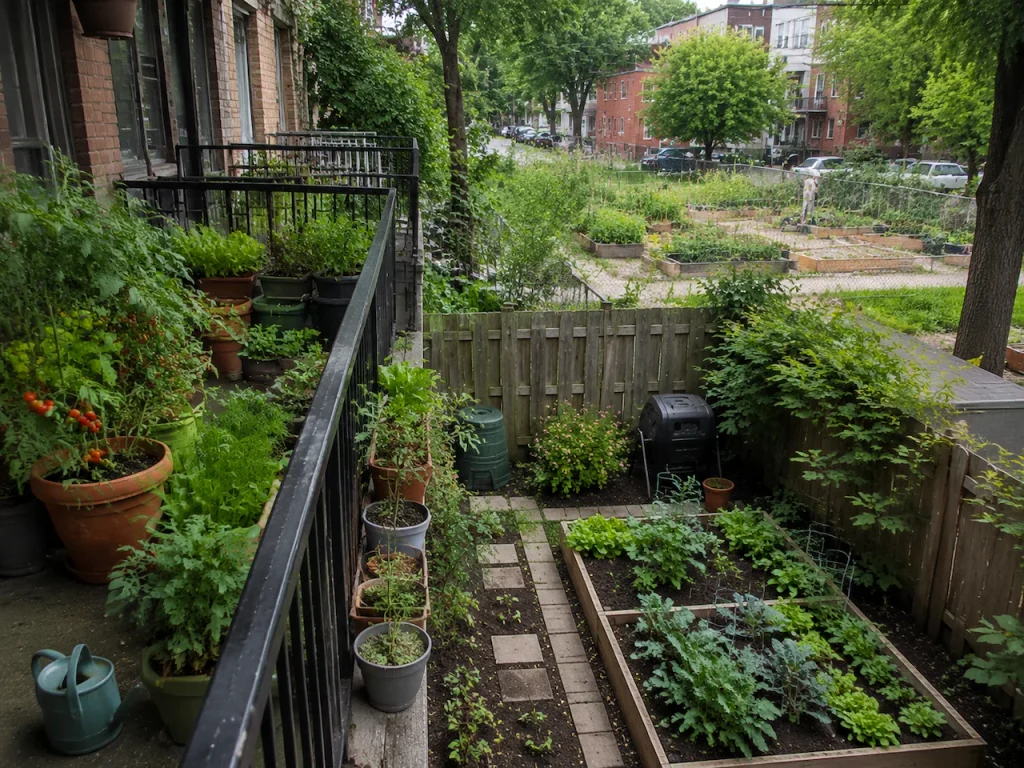
At its core, urban farming gives communities a way to grow fresh vegetables and fruits without needing large amounts of land. For instance, a small yard, a few pots on a balcony, or a vacant lot can all become productive growing spaces. The concept works in towns and cities of all sizes.
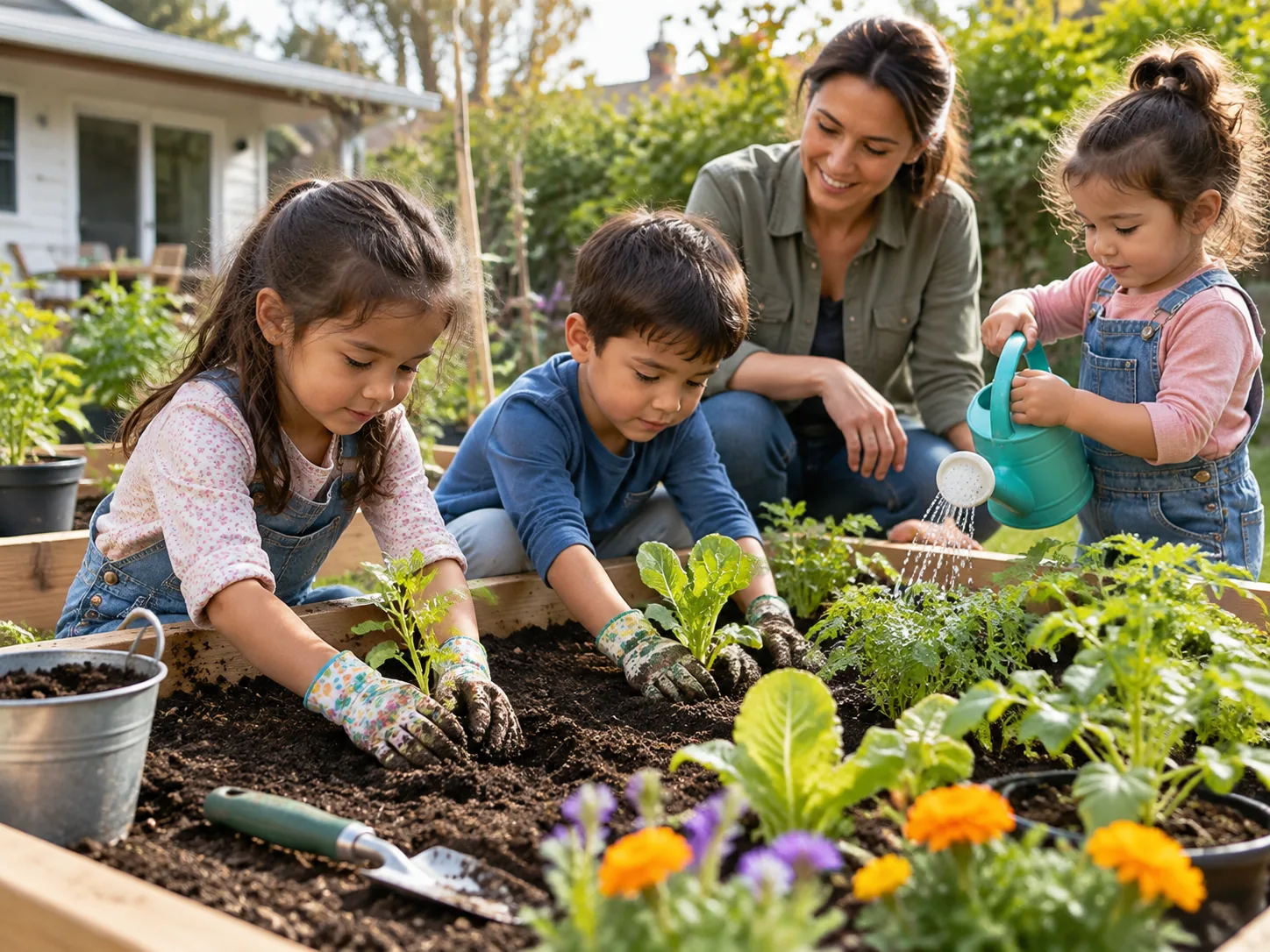
In practice, Truck Farm Omaha proves that urban gardening can change how young people think about food. Through hands-on garden activities, youth learn where their food comes from and why sustainable food choices support long-term community health.
Community Gardens: Exciting Ideas Neighborhoods Can Start Today
Starting a community garden pays off in ways most neighborhoods don’t expect from a few raised beds. Here’s a look at three practical approaches any community can bring to life.
Using Empty Lots As Shared Growing Spaces
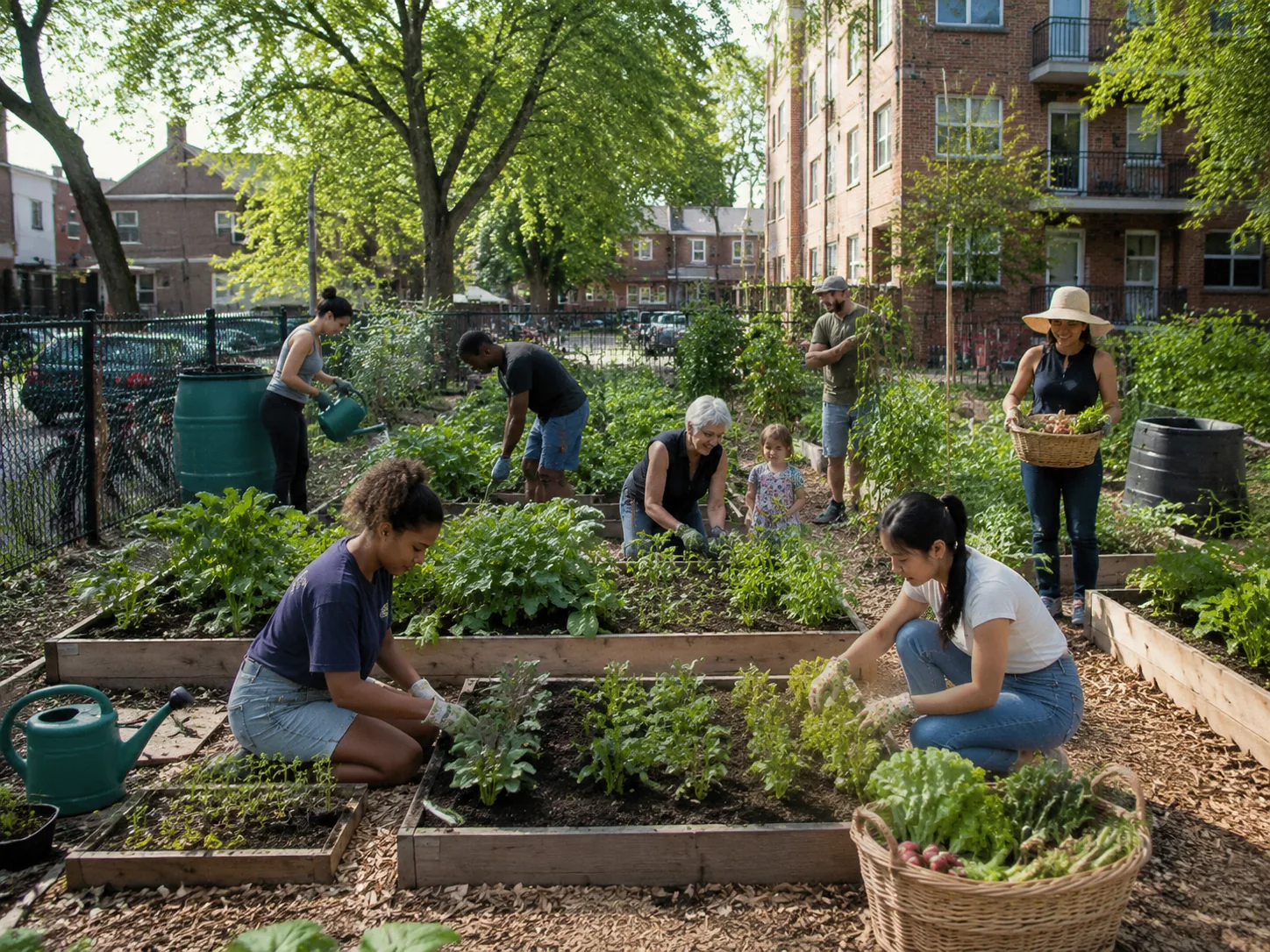
Vacant lots sitting unused in Omaha neighborhoods can become productive garden beds with basic tools and planning. Local governments often offer permits or small grants to help communities convert unused land legally and affordably.
All you need to do is submit a simple application and show a basic plan for the space. Once the lot is approved, members can split garden responsibilities across volunteer groups. Some will handle soil preparation, others may manage watering schedules, and a few can focus on harvesting.
How Schools Can Bring Food Education Into the Garden
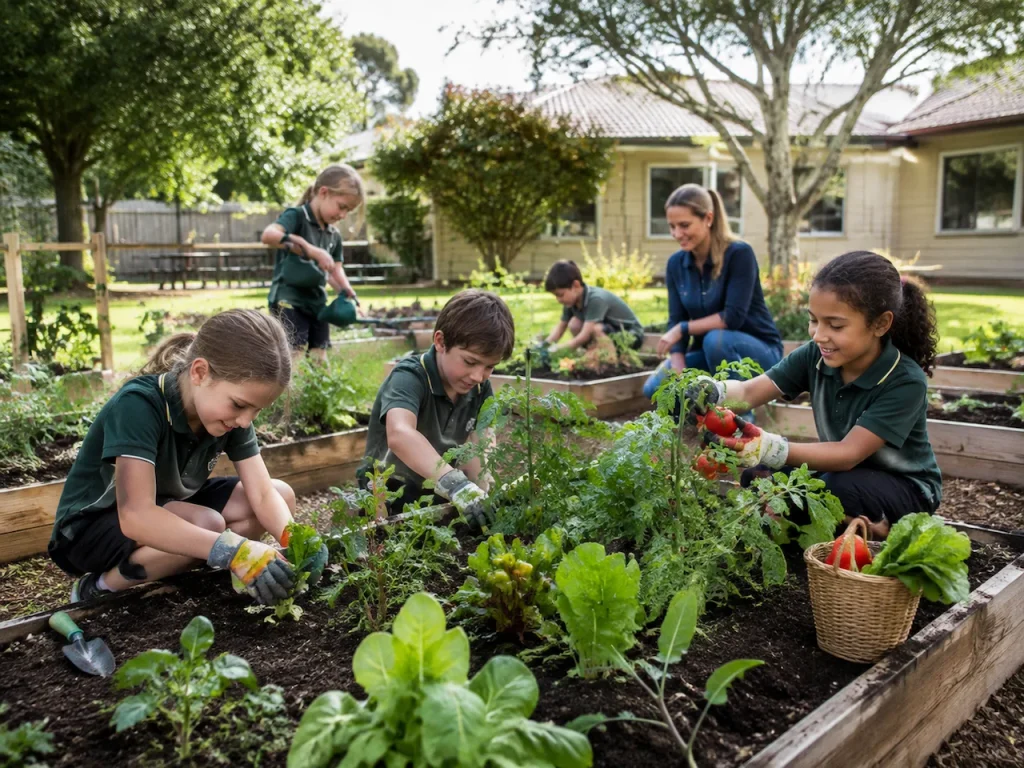
School gardens give young people direct, practical experience with growing fresh food. The following things are what students get to do in a garden setting:
- Planting tomatoes, lettuce, and carrots from seed
- Harvesting fresh produce and bringing it to the kitchen
- Connecting fruits and vegetables to nutrition and health
- Learning sustainable gardening basics through outdoor activities
And honestly, once a kid pulls a carrot out of the ground for the first time, no grocery store veggie ever looks the same again. That connection builds food literacy in a way no classroom lesson quite can.
Using Native Plants and Natural Resources to Grow Smarter
Native plants like coneflowers, wild bergamot, and prairie dropseed need far less water than imported varieties. They’re already built for Nebraska’s climate, so they don’t struggle through dry spells the way non-native plants often do.
The reason composting works so well is that kitchen scraps and garden leaves break down into nutrients the soil absorbs directly. Pair that with a basic rainwater collection setup, and your garden can conserve water without depending on municipal supplies. You can try both practices early on without spending much at all.
Simple Ways to Conserve Water in a Community Garden
Did you know most community gardens waste nearly half their water through poor irrigation habits? What a relief it is that a few simple changes to your garden routine can cut that number down significantly.
Let’s go through some practical ways to conserve water without sacrificing healthy plants:
- Drip Irrigation: This system delivers water directly to plant roots and cuts waste by up to 50%. It’s one of the most efficient watering methods available for garden beds of any size.
- Mulching: Grass clippings, straw, and recycled wood chips all work well for this. Spreading a layer of mulch across your garden beds slows evaporation and keeps soil moist between watering sessions.
- Early Morning Watering: Scheduling watering before 8 a.m. reduces water loss from heat and direct sun exposure. Your plants absorb more, and less water evaporates into the air.
Even picking just one of these methods can stretch your water resources further across a full growing season.
Growing Local Food: The Benefits for Your Neighborhood
Locally grown food travels shorter distances and arrives fresher with more nutrients still intact. That alone makes a strong case for why so many Omaha neighborhoods are starting to grow their own produce right in their yards and community spaces.
On top of that, local gardens build genuine social bonds. Neighbors who might never have spoken meet weekly over shared soil, tools, and harvests. That kind of connection doesn’t come from a grocery run.
From a sustainability standpoint, growing food locally cuts household grocery costs over time. It also reduces the energy spent on long-distance transportation and packaging waste.
Here’s something pretty shocking. According to the United Nations, shopping and eating local can save an individual up to 1.1 tons of carbon emissions every year. That’s a positive impact worth paying attention to, especially for communities trying to protect the environment for future generations.
Local Food vs. Store-Bought: A Quick Comparison
Now that you know what local food offers, here’s how it stacks up against store-bought produce directly.
|
Factor |
Local Food |
Store-Bought |
|
Freshness |
Picked at peak ripeness |
Travels 1,500+ miles |
|
Nutrient Retention |
Higher |
Lower |
|
Carbon Footprint |
Low |
High |
|
Cost Over Time |
Lower, with a garden |
Higher weekly spend |
|
Packaging Waste |
Minimal |
Heavy plastic use |
|
Community Impact |
Builds local bonds |
None |
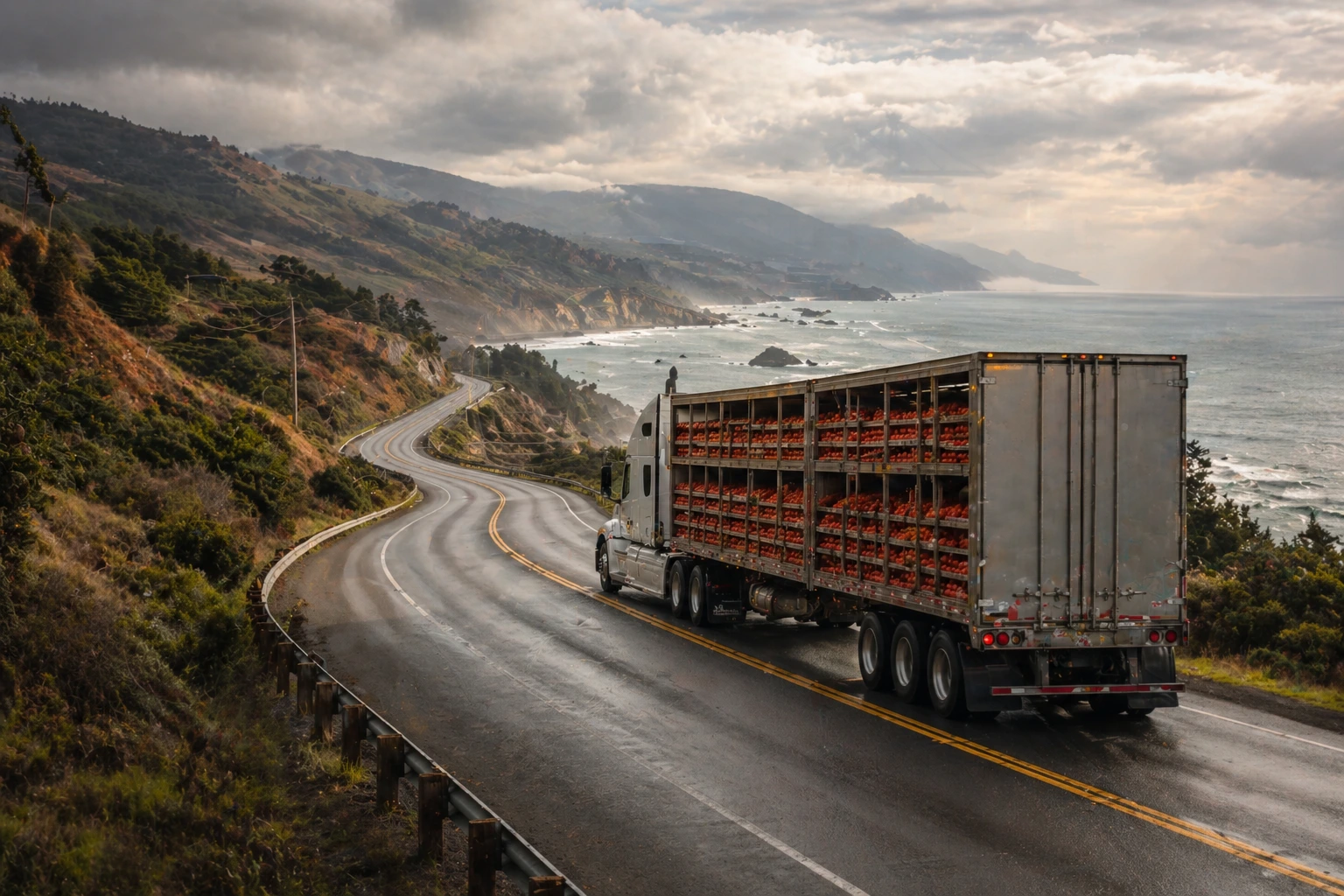
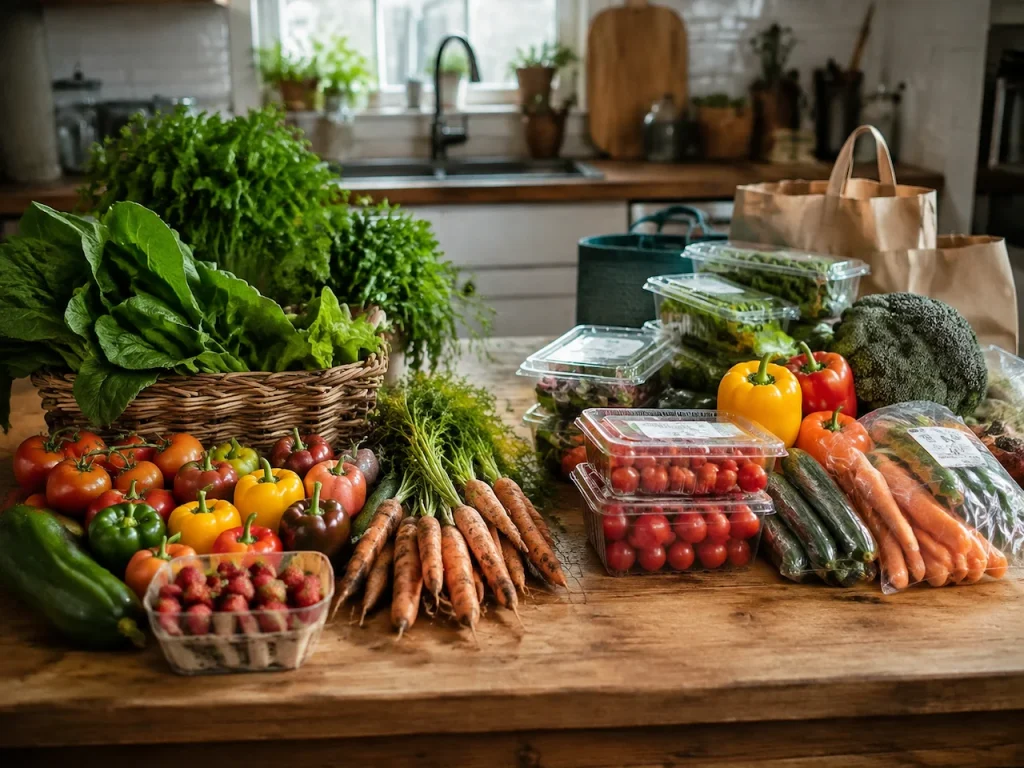
Store-bought produce often travels over 1,500 miles before reaching your plate. Much of its freshness is gone by then, and the packaging waste from plastic wrapping adds up across hundreds of grocery trips a year.
Local food from a community garden, on the other hand, gets picked closer to peak ripeness. You eat better, spend less money over time, and cut down on recycled materials and energy used in long-distance food transport.
What Makes Local Food Worth Growing Together?
Shared gardens give neighborhoods a direct stake in their own food supply, something grocery stores never offer. And when communities grow food together, that sense of ownership spreads beyond the garden itself.
For starters, urban farming ideas work best when people commit as a group rather than leaving it to one or two individuals. A shared plot means shared costs, shared tools, and shared harvests. That’s a setup most households can’t pull off alone in a single yard.
With that in mind, even small garden beds can produce enough vegetables and fruits to supplement a family’s weekly grocery needs. Across a whole street or town, that kind of collective effort builds food sustainability for people of all ages.
Future generations won’t just inherit the food habits you build today. Instead, they’ll inherit the garden spaces, the soil health, and the community relationships that come with them.
Your Neighborhood Garden Starts Here
You’ve seen what urban gardening can do for a community. Now it’s time to take that first step, whether that’s converting a vacant lot, starting a school garden, or simply growing vegetables in pots on your porch.
Communities across the world are already proving that local food systems work. They cut costs, improve health, and bring people together in ways that extend beyond the garden fence.
Truck Farm Omaha offers programs, resources, and hands-on activities for a healthy eating culture to help Omaha neighborhoods get started today. Explore what’s available, connect with the team, and find out how your community can grow something worth sharing this season.