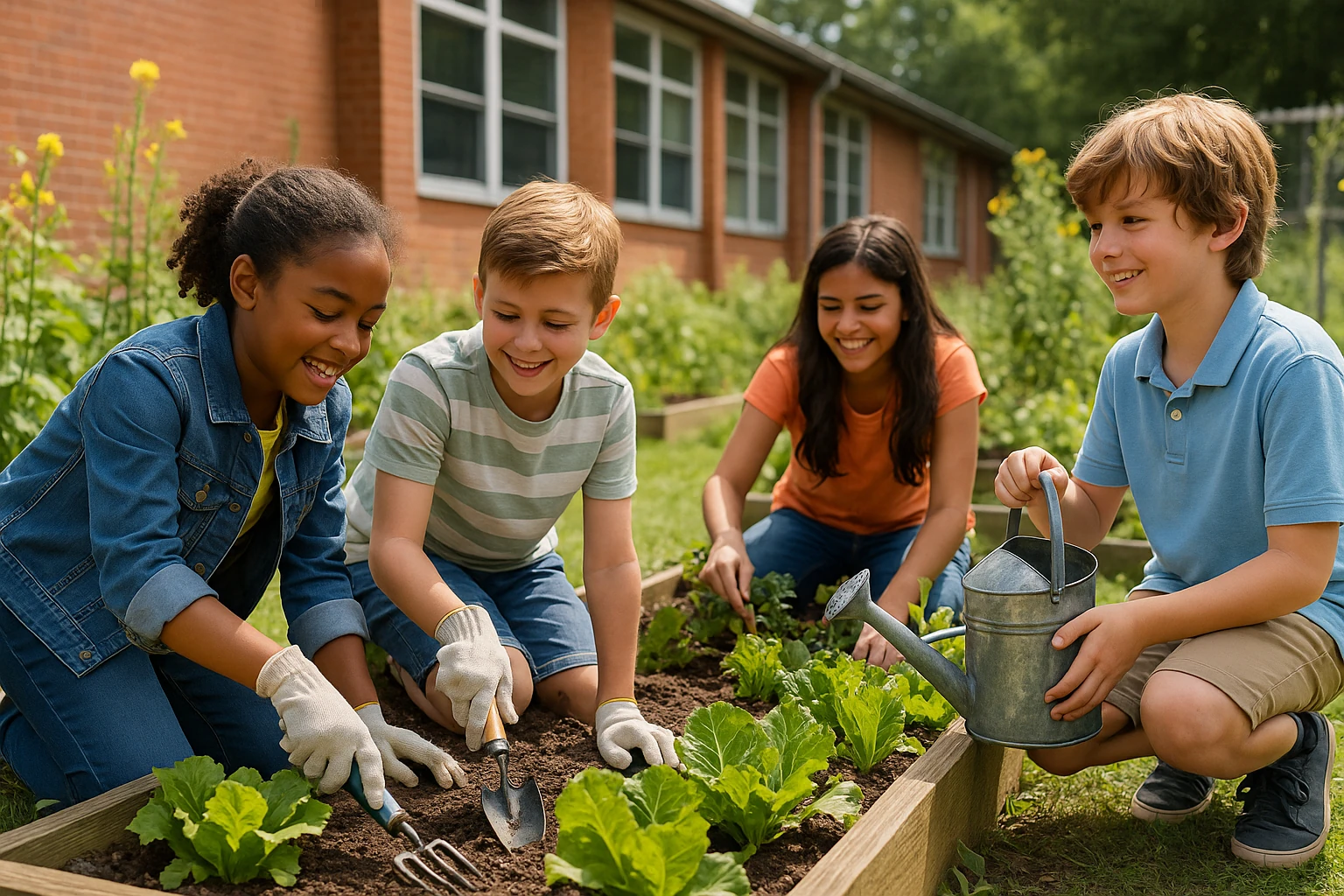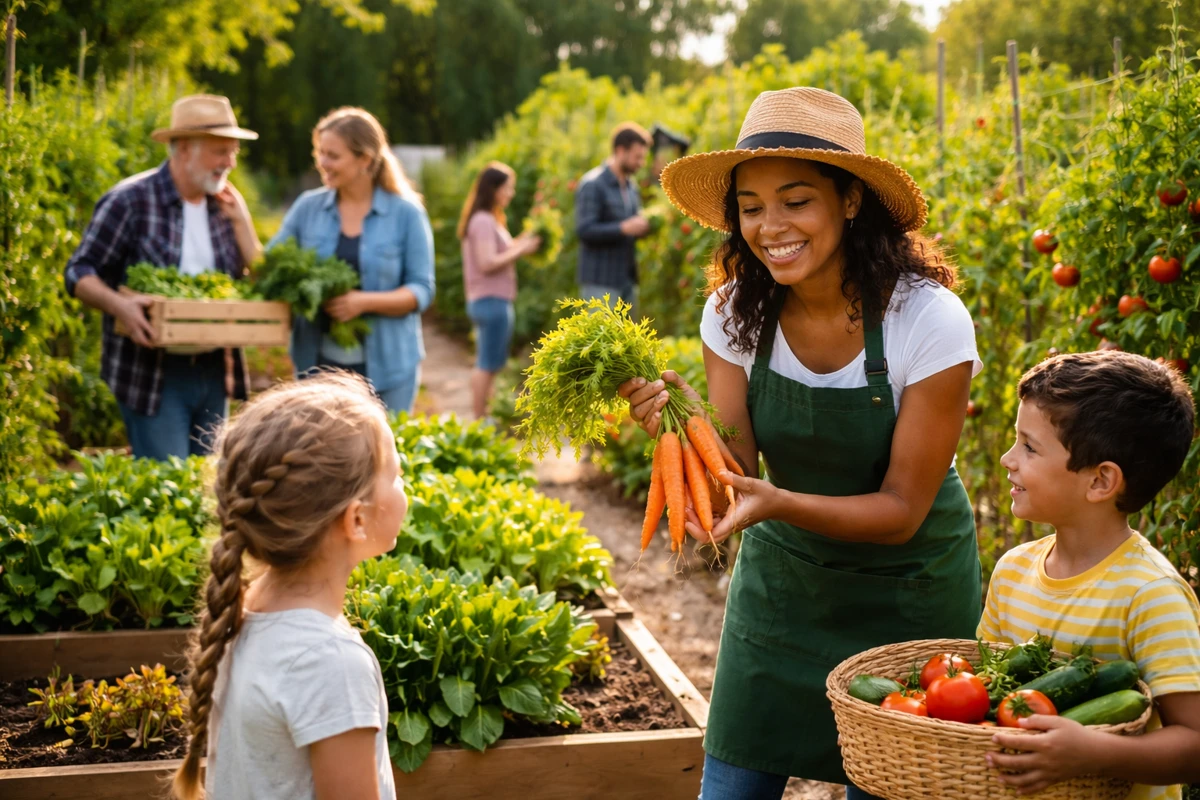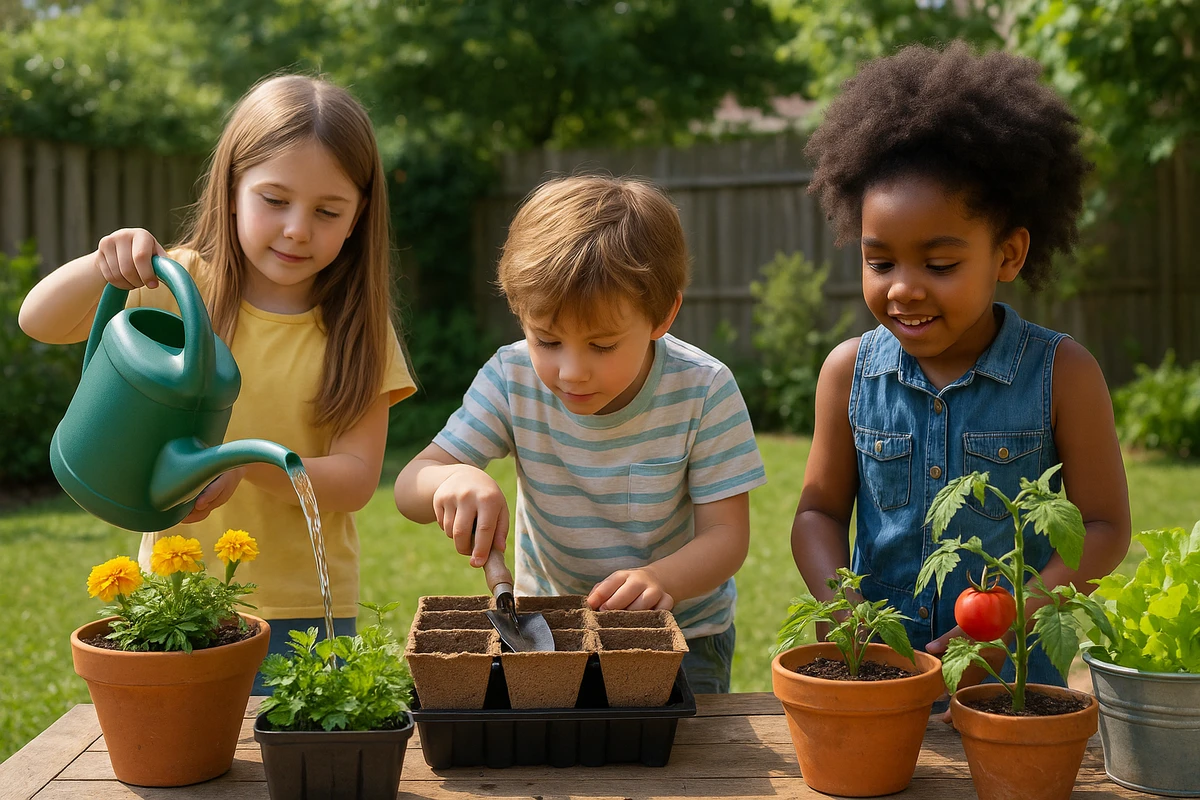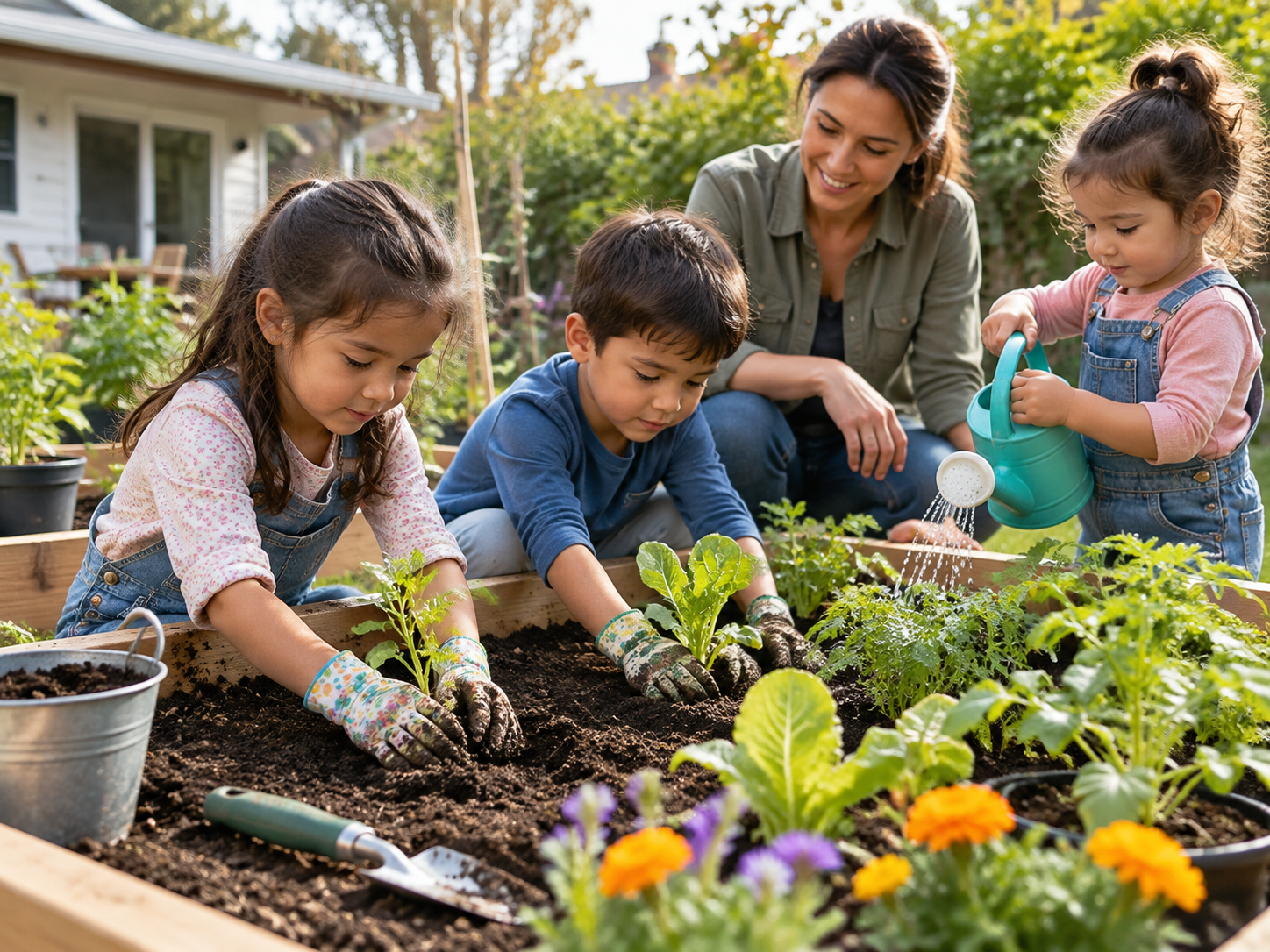
When children grow their own food, something shifts. Lessons become personal, and kids hold onto what they learn far longer than anything a worksheet could teach. A single seed packet turns into a hands-on science class your child can water, check on every morning, and genuinely call their own.
Still, plenty of families around Omaha assume gardening for kids needs a big yard, deep beds, and a free weekend. Well, that’s nothing but a misconception. At Truck Farm Omaha, we watch a child taste a carrot they pulled themselves and start caring about vegetables that same afternoon.
What sticks is the doing, not the reading. This guide covers the lessons that last, plus simple jobs kids can handle alone. Keep reading, and learn exciting things about growing their own food.
Gardening for Kids Helps Them Remember What They Learn
Most kids forget a worksheet within a week. They do remember which seeds sprouted first, and which ones never came up at all. That gap between reading about roots and pulling one out of the soil shows why hands-on work teaches better.
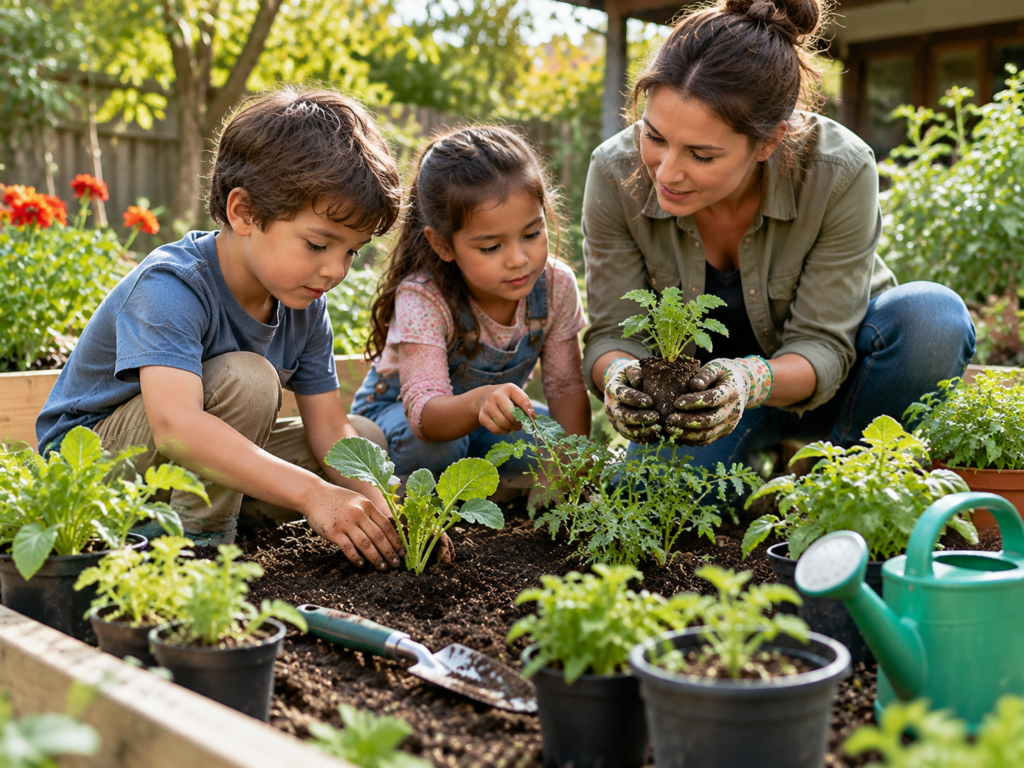
Now, we’ll cover what both research and a few muddy afternoons in the garden with kids point toward.
Why Hands-On Gardening Creates Lasting Memories
Hands-on gardening sticks because your child’s brain files the lesson under doing better than reading. Sight, smell, and touch all get tied to it. Researchers call this experiential learning, and it simply means the body helps the mind hold on longer.
In practice, a child who planted radish seeds in April still recalls the three-week wait. We’ve heard second graders explain root depth better than the poster above their heads managed to.
Ownership helps too. Kids guard what belongs to them, and they check on it without a reminder. One lesson becomes thirty small ones across a season (and nobody calls it homework).
Honestly, the benefits of gardening run well past memory. What’s more, time spent outdoors is good for a child’s mental health, and quiet work in the dirt settles a busy head.
How Kids Connect With Plants They Helped Grow
Children bond with plants through small acts of care: watering, staking, and pulling weeds away from tender stems. Each job hands them a role. The plant stops being scenery and becomes something they answer for.
That shift happens quickly when children garden side by side, because shared effort builds attachment faster than almost anything else. Most parents notice it the first time a squirrel raids the cherry tomatoes, and the reaction says it all. You’ll hear about that squirrel for a week (the loss feels personal).
Because of that bond, kids will taste what they grew, even when they push the same vegetable around the plate at dinner.
Youth Gardening Activities That Build Real Skills
With that connection in place, simple chores teach patience, responsibility, and where food really comes from. Most family gardens run on small jobs, so match each one to the age of the child.
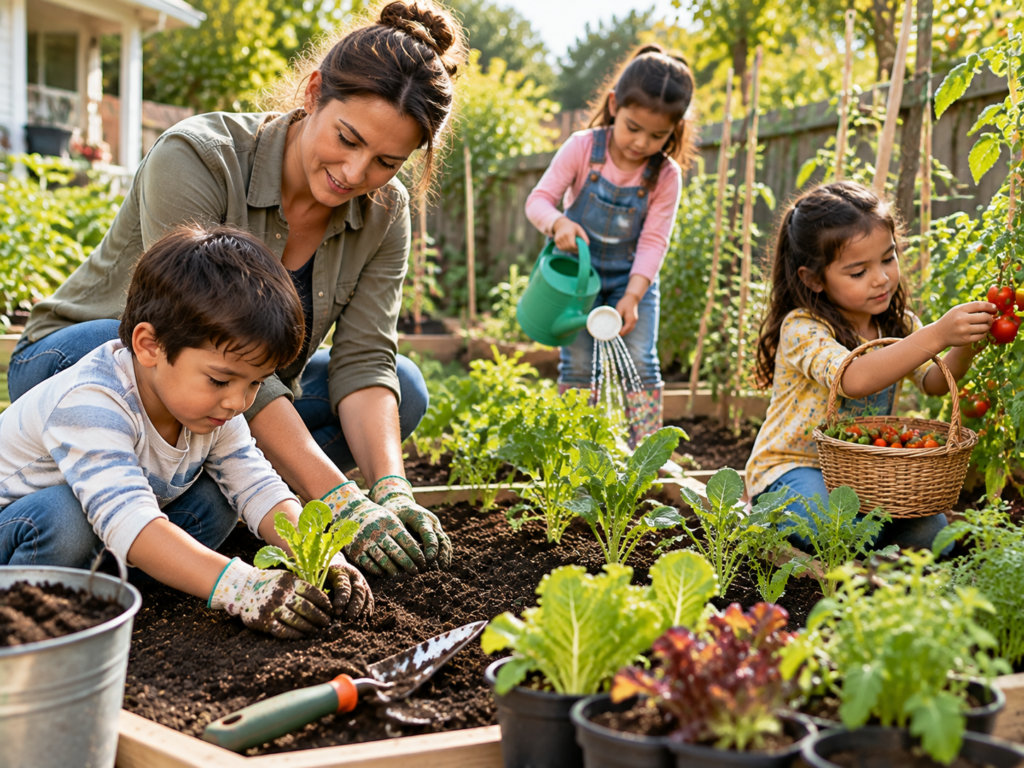
These four garden ideas cover gardening activities for kids old enough to hold a watering can.
- Seed Starting Trays: Sowing beans indoors in March teaches spacing, depth, and labelling. Growing plants from seed is beginner gardening at its simplest.
- Daily Watering Duty: A small can beats a hose for young children, and the routine builds fine motor skills along with attention to living things.
- Weeding and Sorting: Between the rows, your child learns to tell a carrot top from crabgrass. Gloves keep the job comfortable.
- Harvest Day Counting: Kids weigh, count, and sort a basket of beans, and the math gets done without complaint.
If you don’t have a yard, gardening for kids works just as well in pots, and container gardening on a patio covers the same ground. Small wins build a young gardener, and one gardening project can carry a child through a whole season.
Growing a Vegetable Garden Teaches Healthy Eating Habits
Now that kids know how to plant, a vegetable garden leads to healthier plates and fewer standoffs at dinner. Children who grow their own food try more of it, because curiosity outweighs the usual suspicion. The shift shows up most with peas, spinach, and green beans.
That gap is worth closing early. Only 10% of US adults meet the daily vegetable recommendation, according to the CDC. Since habits formed in childhood tend to last a lifetime, a garden is one of the best places to start building them.
For example, a tomato picked warm off the vine beats anything trucked to a store shelf in February, and that difference is not lost on children.
Bottom line: healthy eating habits grow out of dirt and effort, not nutrition charts stuck on the fridge door.
What Environmental Education Do Kids Get From a Garden?
Beyond the dinner plate, a garden teaches water, weather, and seasons across one full year. Lessons about frost land harder when a late freeze takes out the squash your family planted in May.
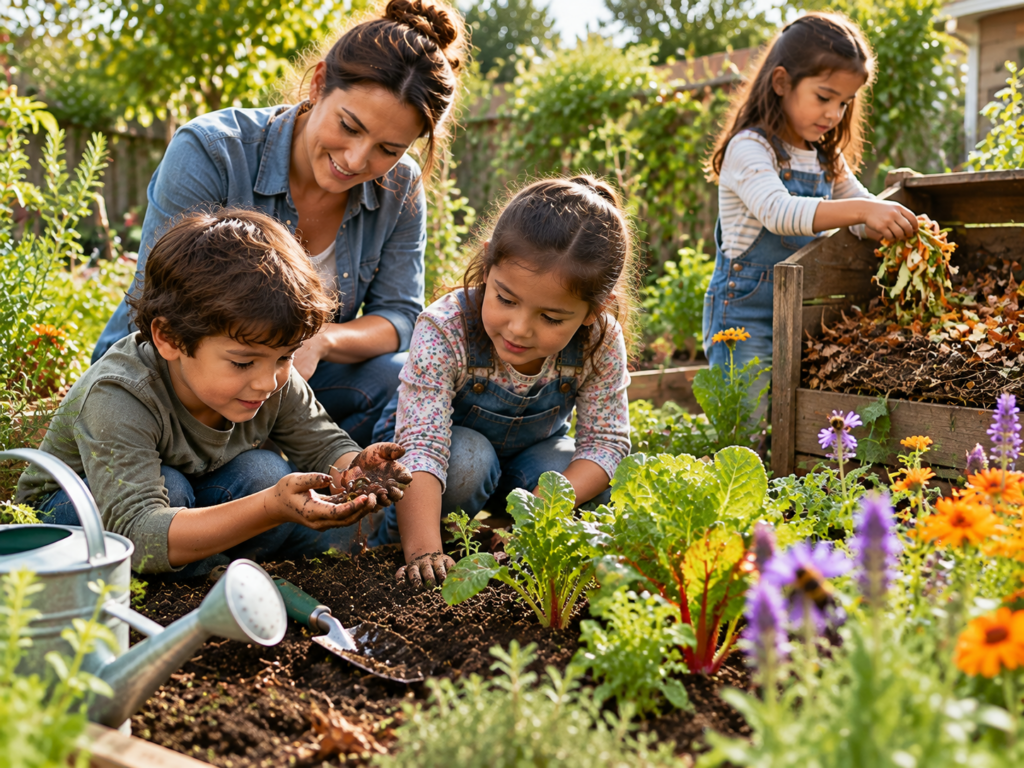
The table below pairs four common garden moments with the lesson each one delivers.
| Garden Moment | What Kids Learn |
|---|---|
| Compost bin fills up | Scraps build soil health |
| Bees visit the flowers | Pollination creates fruit |
| A week without rain | Water runs short fast |
| First frost in October | Seasons decide what grows |
One season outdoors covers more environmental education than a semester of slides, because the results land in your own beds. Kids who experience gardening this way stop seeing weather as background noise.
Grow Food Education at Home With Your Kids This Weekend
Children remember the lessons they lived, and one small plot hands them a full year of them. Seeds through first harvest build knowledge they carry into adulthood.
Start by picking one raised bed, a few pots, or a strip by the back door, then let your kids choose half the edible plants. Gardening tips from neighbors help, though the real learning starts the day you both get your hands dirty. When you garden with children, mud is the curriculum.
Truck Farm Omaha brings hands-on food education to families and schools across the Omaha area. Contact us to book a visit and give your kids a garden lesson they will remember for years.