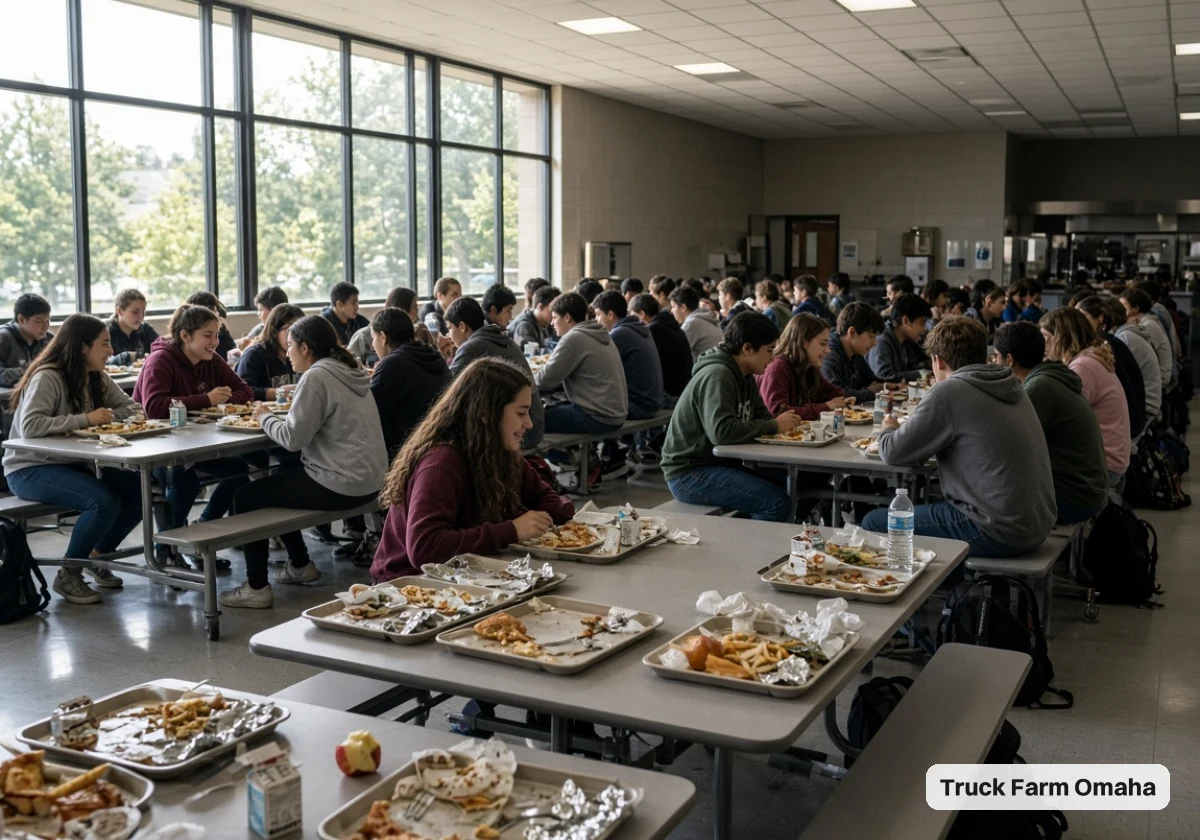
A school food waste audit asks students to sort and weigh what’s left on their trays after lunch. Once kids see the weights from their own cafeteria, they learn where food goes and why it gets tossed.
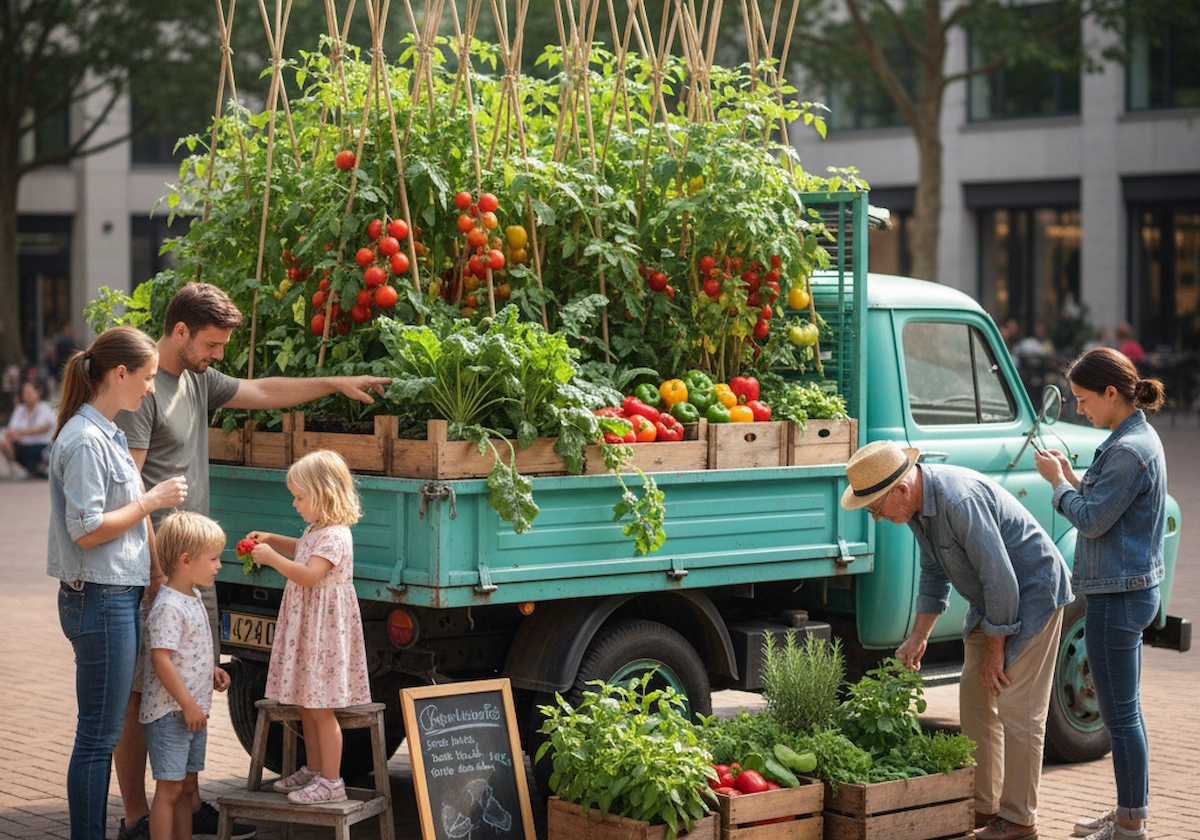
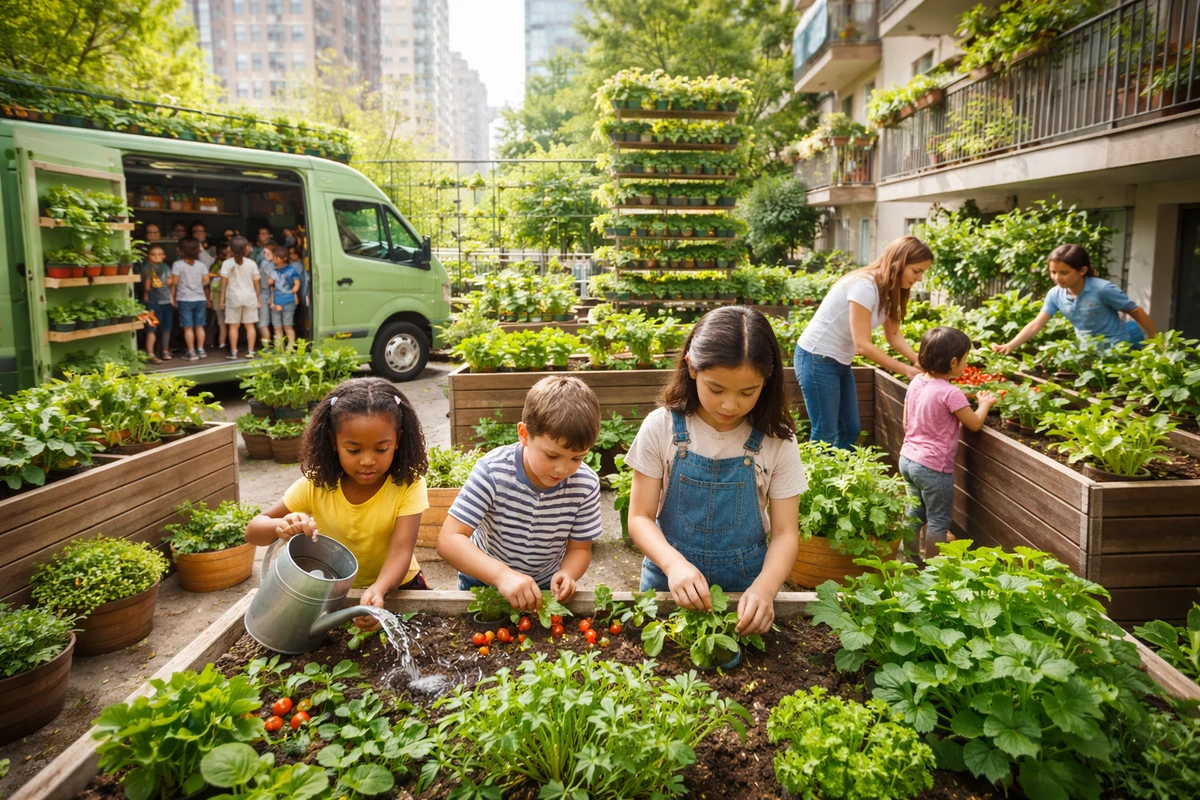
And kids remember the audit lessons because they collected the evidence themselves. Truck Farm Omaha teaches children to grow, harvest, and taste real produce through garden education programs. A lunch audit brings that same learn-by-doing approach to the tray return.
You need only a scale, a few bins, and one willing class to begin. Students sort and weigh the waste, study the numbers in class, and share their findings with the cafeteria team.
A School Food Waste Audit Starts With a Scale, Bins, and One Lunch Period
A school can run a waste audit in a single building or across the whole school district. A first round needs only a sturdy scale, a few labeled bins, and some student volunteers. Choose a platform or bathroom scale, in this case, since a small kitchen scale can’t hold a full bin.
The five steps below cover sorting, weighing, note-taking, scheduling, and comparing totals. Sorting and weighing fit inside a normal lunch period, while planning and analysis happen outside it.
Setting Up Sorting Stations at Tray Return
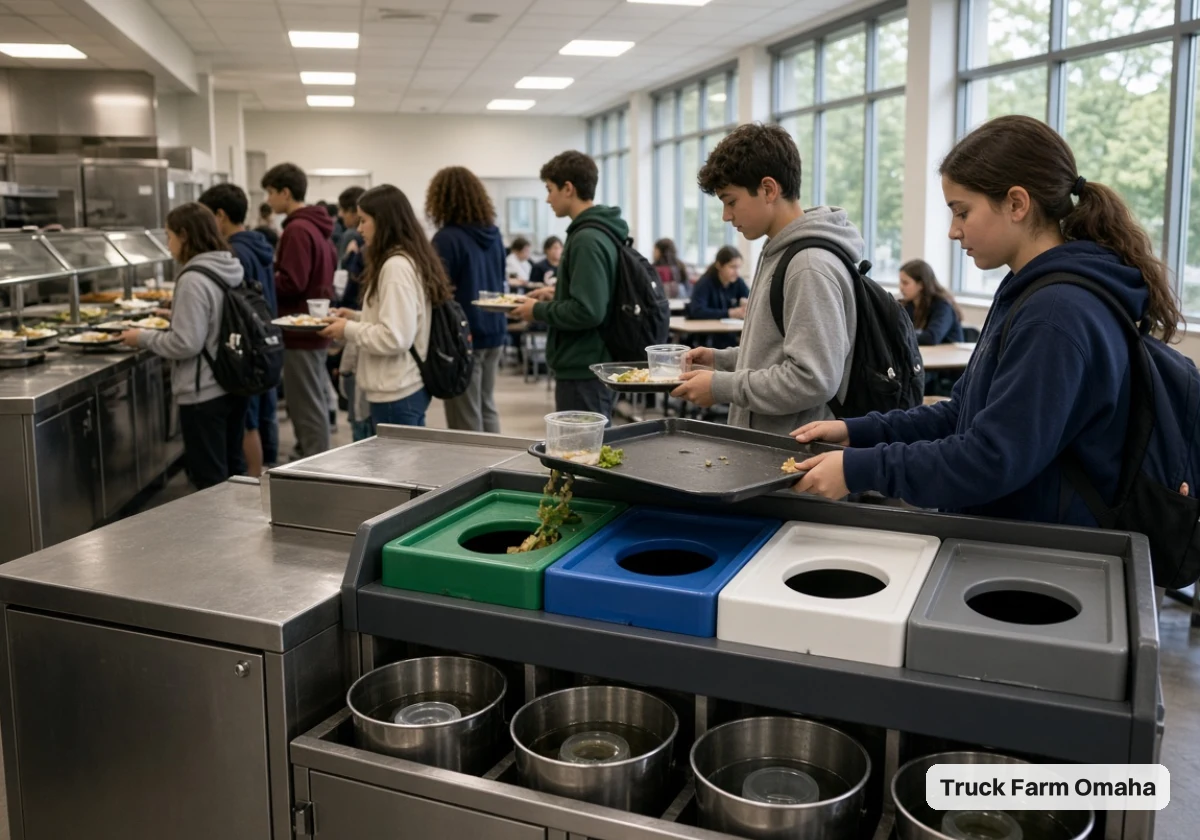
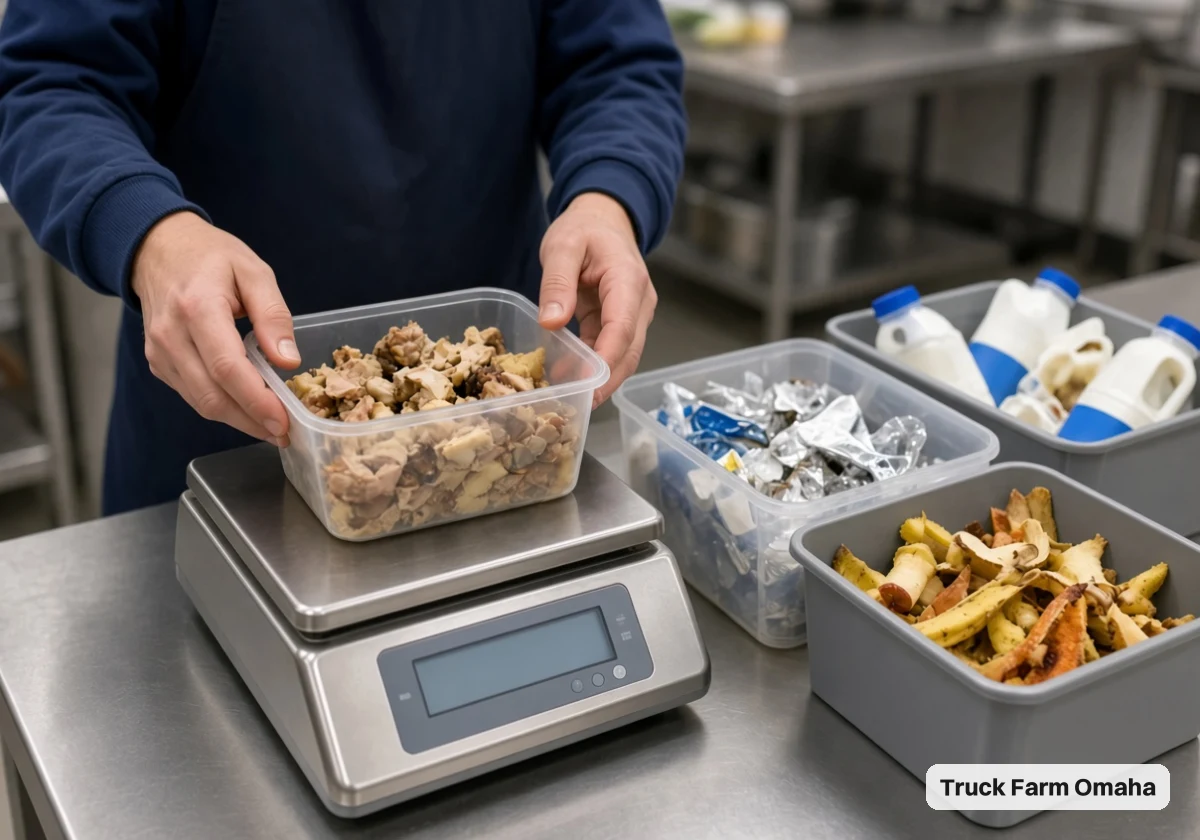
Place the sorting station beside the tray return, where students already stop. Set out four bins for fruit and vegetables, main dishes, packaging, and sealed milk cartons. Add a separate bucket for liquids beside the bins.
Once students reach the station, the first step is dealing with leftover milk. Have them pour opened milk into the liquid bucket before placing the empty carton in the packaging bin. Sealed cartons go straight into their own bin, so the class can count them later.
With the bins sorted, make each one easy to identify. Tape a picture label above each bin so younger students can choose the right one without stopping to read. Clear labels keep the line moving and help students get back to class or recess on time.
Weighing Each Category Before the Bins Go Out
Weigh each empty bin before lunch starts, then write its weight on masking tape stuck to the side. After lunch, weigh each full bin and subtract the empty weight to find the waste collected. Do the weigh-in before anyone tips a bin into the trash cans, or you’ll lose the original reading.
Keep those results together on one shared sheet. Record every reading in pounds so the whole team works from the same record. A single sheet also stops two teams from logging the same bin twice and inflating the totals.
Before moving to the next bin, check that the scale has returned to zero. Even a few ounces of drift can distort a full week of readings. Reset the scale whenever it shows weight with nothing sitting on it.
Recording Notes Alongside the Numbers
Add a notes column next to every weight on the shared sheet. Students can use it to record the date, the menu, and anything unusual about the day. A rainy indoor recess or a new recipe can explain a spike that the scale alone can’t.
Ask the sorting crew to jot down what they notice, too, such as whole apples going in untouched. In our garden lessons with kids, notes about untouched food often start the liveliest class discussions.
Writing notes on the day also saves guesswork later. Nobody has to remember on Friday what happened on Tuesday.
Scheduling a Full Week of Weighing and a Repeat Audit
One lunch period can’t show a pattern, because a single menu or field trip skews the results. Pizza day might fill the main-dish bin, while fish day could leave the vegetable bin heavy.
That’s why you need to weigh for at least a full week to smooth out those swings. Then repeat the audit later in the year so students can compare results before and after any change they try.
Pick audit weeks outside testing season, since schedules and lunch routines shift during exams. Mark both weeks on the school calendar ahead of time, and give food service staff the dates. Kitchen teams can then plan for the extra bins and hold a short staff training session.
Comparing the Totals With What the Kitchen Served
Ask the kitchen manager for the number of meals served each day. Divide the pounds of plate waste by that meal count to find the waste generated per student. The per-student figure lets the class compare a busy day with a quiet one.
To compare your results with yearly national figures, multiply the daily average by the number of school days. Many US schools run about 180 days a year, but check your own calendar. Leave kitchen waste from food prep out of these totals, since students only sorted what came off trays.
Next, line up the items served against what came back. If the fruit bin holds most of the apples the kitchen served, apples will become the first item to investigate.
Share the results with the kitchen team before you show them to the class. Cooks often know why an item came back, such as a new supplier or a slow serving line. Their input keeps students from blaming a dish for a scheduling problem.
What Does the Waste Data Teach Students About Where Lunch Food Goes?
Per-student totals show kids that lunch waste tends to come from a few predictable spots on the tray. When students see their own numbers, they start asking why each spot fills up.
National research gives the class something to measure against. A 2019 World Wildlife Fund study tracked food waste in 46 schools in nine cities across eight states. The NRDC and the Environmental Law Institute report its findings on K-12 school food waste. On average, those schools generated about 39.2 pounds of food waste and 28.7 cartons of milk waste per student per year.
The same document notes WWF’s estimate that most school food waste ends up in landfills. There, it releases methane and adds to greenhouse gas emissions. NRDC and ELI still relied on the 2019 figures in their April 2026 model law. Treat them as a national benchmark, and let your class’s numbers show the local picture. Students tend to react strongly when they place the national figure beside their own yearly estimate.
Once students sort their findings, the causes usually fall into five familiar groups:
- Rushed Lunch Periods: Students may run out of time before they finish eating. Long serving lines cut into seated time, especially for the last classes through. NRDC’s model law calls for at least 25 minutes of seated time. Time how long the line takes, and compare that wait with each period’s plate waste.
- Unfamiliar Foods: Note which dishes are new each week so the class can track them across both audits. Kids often skip a new item the first time it appears on the menu. A dish that comes back untouched on day one may sell well a month later.
- Required Items: Milk often gets taken and left unopened on the tray. Federal rules require offer versus serve only at high school lunch, so younger grades may still receive every item. Count sealed cartons separately to see how much milk goes untouched.
- Oversized Portions: Serving sizes set for older grades can overwhelm younger students. Portion mismatches show up most in schools that serve several grade groups from one line. Compare bins by grade to see whether the youngest classes return the fullest trays.
- Hard-to-Bite Fruit: Check whether sliced fruit comes back in lighter loads during the second audit. Whole apples and oranges are tough for kids with braces or loose teeth. Many of these students take one bite or skip the fruit entirely.
Have the class rank the causes by weight, since the heaviest group points to the first change worth testing. Save the lighter causes for the second audit.
Food Waste Activities for Kids: Classroom Projects That Grow Out of the Numbers
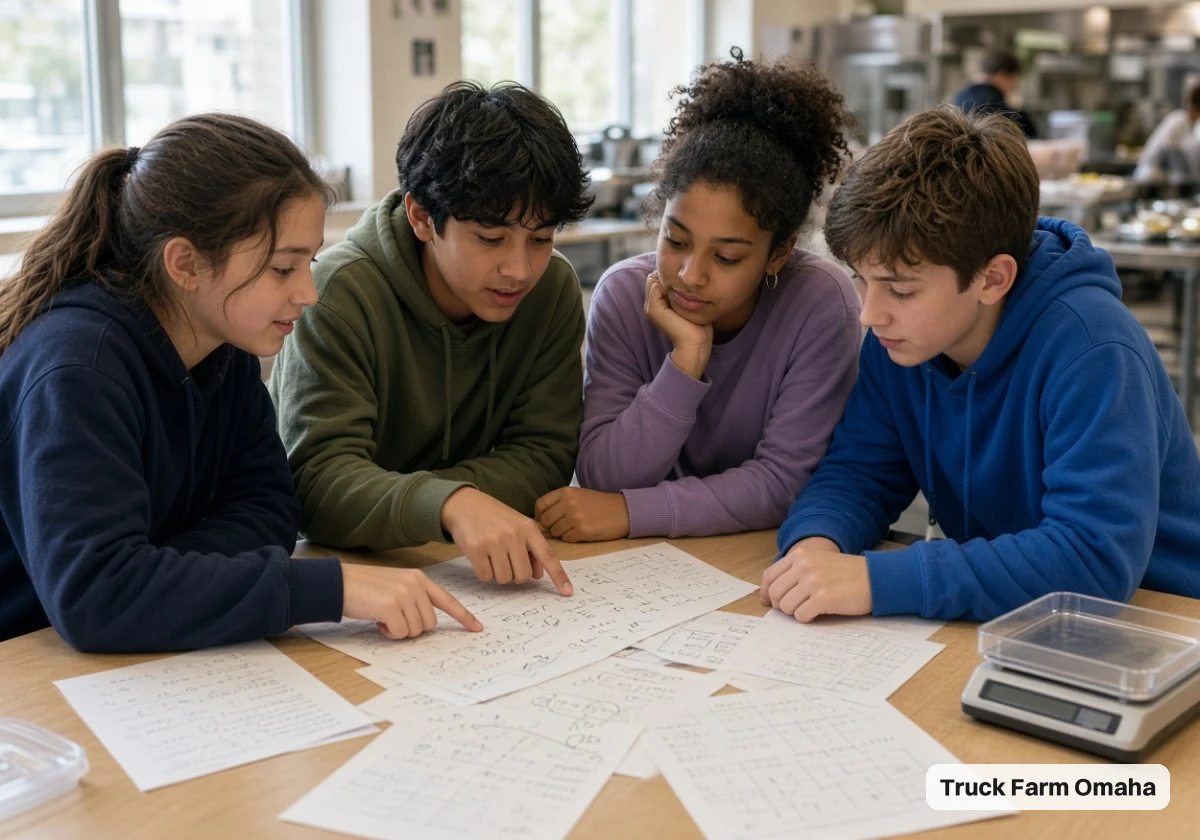
The audit numbers give teachers ready-made material for math, science, and writing. Students treat these food waste activities for kids as real problems to solve, since the data comes from their classmates’ trays.
For lunch waste education that fits regular subjects, try one of these three projects:
- Graph the Weekly Totals: Students plot each bin’s weight by day on a bar graph and spot the heaviest category. Younger grades can place one sticker for every pound instead of reading decimals. Post the finished graph near the tray return so the whole school sees it.
- Compost the Produce Scraps: Uneaten fruit and vegetable scraps can feed a classroom compost bin, and kids track how fast each item breaks down. Composting lets the class recycle food waste and return nutrients to the soil. The finished compost then goes into hands-on garden projects on school grounds. Check your district’s rules on bin placement before you start.
- Write to the Nutrition Director: Invite a reply so students learn how menu decisions get made. Each student writes a persuasive letter to the person who plans school menus, usually the district’s nutrition director. The letter should cite one number from the audit and suggest one fix.
Give each grade a different project so the work doesn’t overlap. After the second audit, students can repeat their project and measure whether their change worked.
Using Audit Results to Cut Food Waste Across the Whole School
The student letters often reach the people who run the cafeteria and the front office. Share the full audit results with those staff members and with families, too. The numbers show how uneaten food ties to food costs. They also give everyone a reason to back food waste reduction in your school.
Each common finding below pairs with a school dining change and a measure for the next round.
| Audit Finding | Schoolwide Change | What to Track Next Time |
|---|---|---|
| Milk cartons left unopened | Ask your school nutrition director about offer versus serve, so students can decline milk | Count of sealed cartons in the milk bin |
| Whole fruit returned | Slice apples and oranges before serving | Weight of the fruit bin |
| Younger grades leave full trays | Schedule recess before lunch so kids arrive hungry | Plate waste per student by grade |
| Sealed snacks thrown away | Set up a share table for unopened surplus food, following local health rules | Items taken from the table each day |
Start with the row that carries the most weight in your data, since a single change is simpler to measure on its own. If fruit leads your totals, a school garden can help.
From our experience with students, kids who grow produce are often willing to taste it, and we see this pattern regularly in our garden lessons. Unclaimed items from the share table can go to a local food bank if your district lets schools donate food.
Your First Lunch Waste Audit Can Start Next Week
Pick an audit week this month and give the kitchen manager the dates. Borrow a sturdy scale, label four bins and one liquids bucket, and recruit one class to run the first sorting station. Ask that class to present its totals at a staff meeting or school assembly. Their findings can also become the first page of a school sustainability report.
Ready to give students a place to use their compost and grow the foods they’ve studied? Plan a school garden with Truck Farm Omaha and build garden lessons around your audit results.