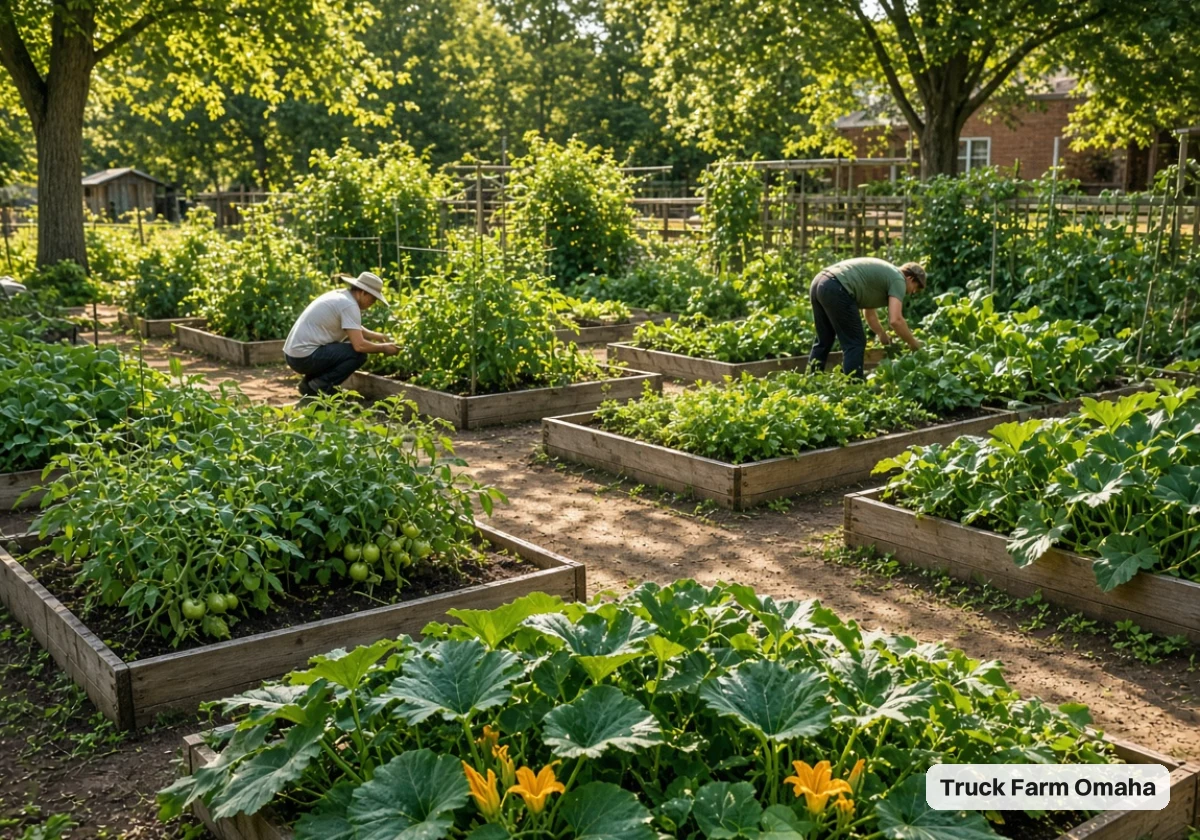
When the summer holiday starts, students, teachers, and staff leave campus, and the school garden goes weeks without its usual caretakers. A garden produces all summer only if you prepare it before term ends and share the care afterward. In fact, the last two weeks of school decide whether students return to ripe tomatoes or dry weeds.
The worst part here is that the people who planted the beds scatter when the break begins. So, if students want to return to full beds, they must leave behind a plan that covers every week of summer garden care for schools. Truck Farm Omaha will share what we’ve learned helping kids grow food, because a hot Nebraska July quickly shows which plots had a plan.
Besides, we’ll talk about end-of-term jobs, a school garden watering schedule that runs without staff on site, and a holiday plan built around families. Once you’ve got those in place, we’ll tackle July weeds, pests, and heat. Let’s start with the June jobs.
Summer Garden Care for Schools Starts Before the Last Bell Rings
Summer garden care for schools works best when the heavy jobs happen in June, while students and staff are still around to help. Each task you finish now cuts the time volunteers spend in the garden later.
Below, we’ve explained the five jobs to finish before the gates close.
Harvest Everything That Is Ready and Clear the Spent Beds
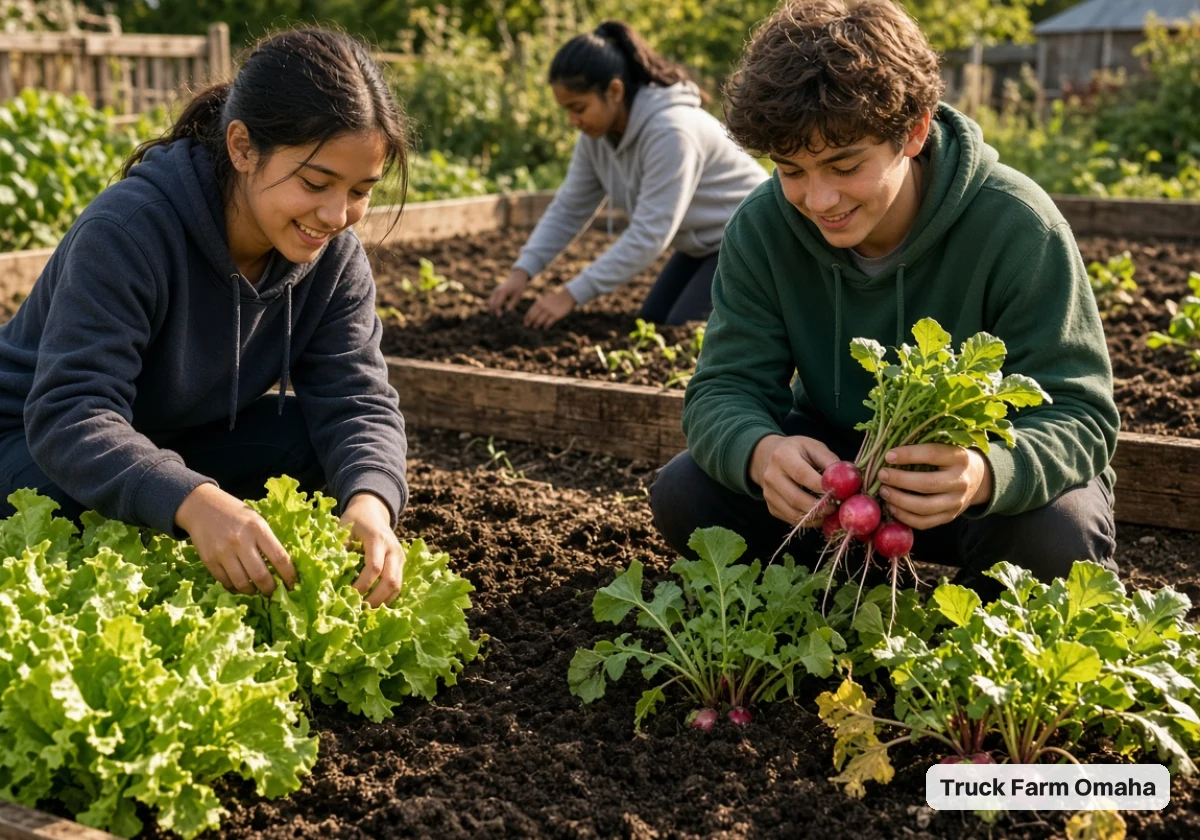
Gather every lettuce, radish, and pea that’s ready before the last week. We’re choosing these first because spring crops bolt or turn bitter once summer heat arrives.
From there, students can carry the food home or share it with the cafeteria. That way the harvest feeds families before it spoils on the stem.
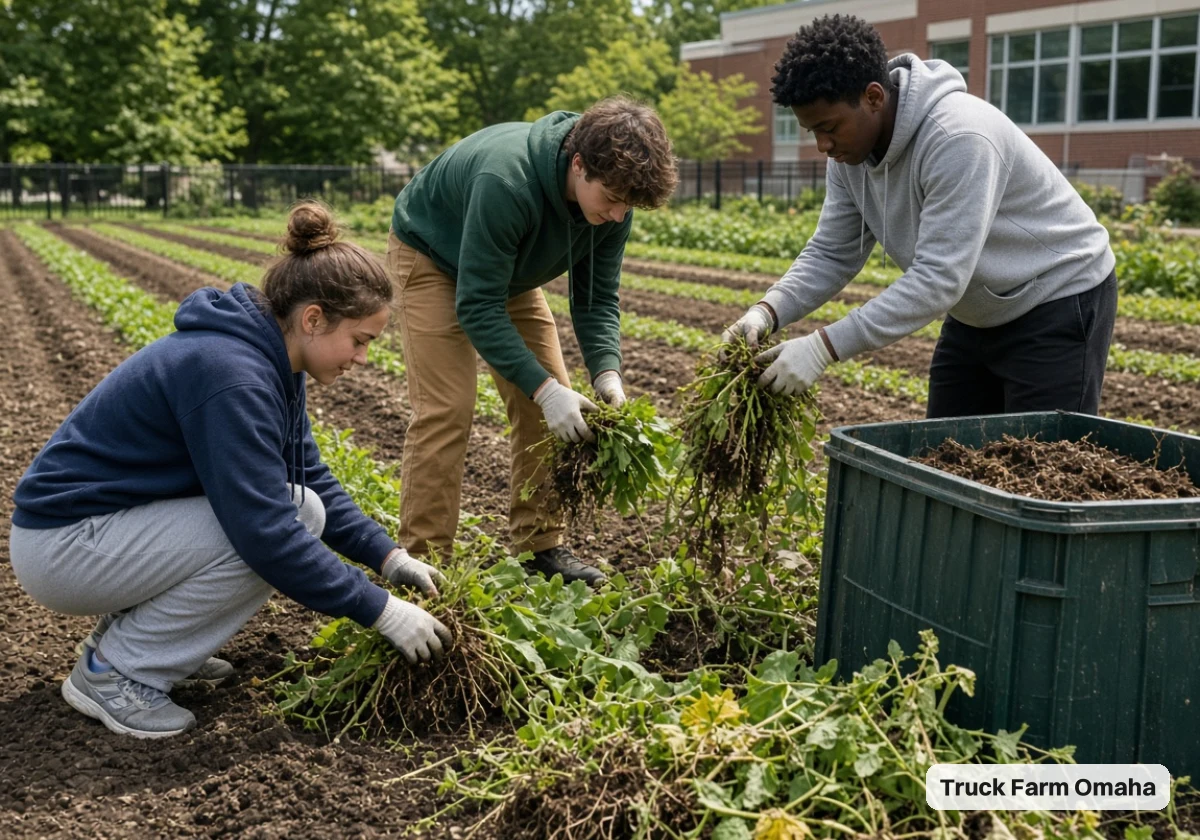
Next, pull the spent plants and add them to the compost pile. Bare soil grows weeds fast, so replant or cover each cleared bed that same week.
Plant Heat-Tolerant Crops and Cover Crops in the Empty Beds
Tomatoes, squash, sweet potatoes, and herbs handle heat and a few missed waterings. Their deep roots reach moisture that shallow crops like lettuce can’t touch.
For beds you won’t plant, the University of Georgia’s 2026 guide on summer management strategies for school gardens names buckwheat, millet, and cowpeas as suitable summer cover crops. Once established, these crops shade out weeds and feed the soil (cowpeas even put nitrogen back into the soil for fall).
To get the most from them, sow them right after harvest, while the soil is still moist. Then, in September, you can turn them into the soil before the fall growing season begins.
Mulch Deeply So the Soil Holds Water for Longer
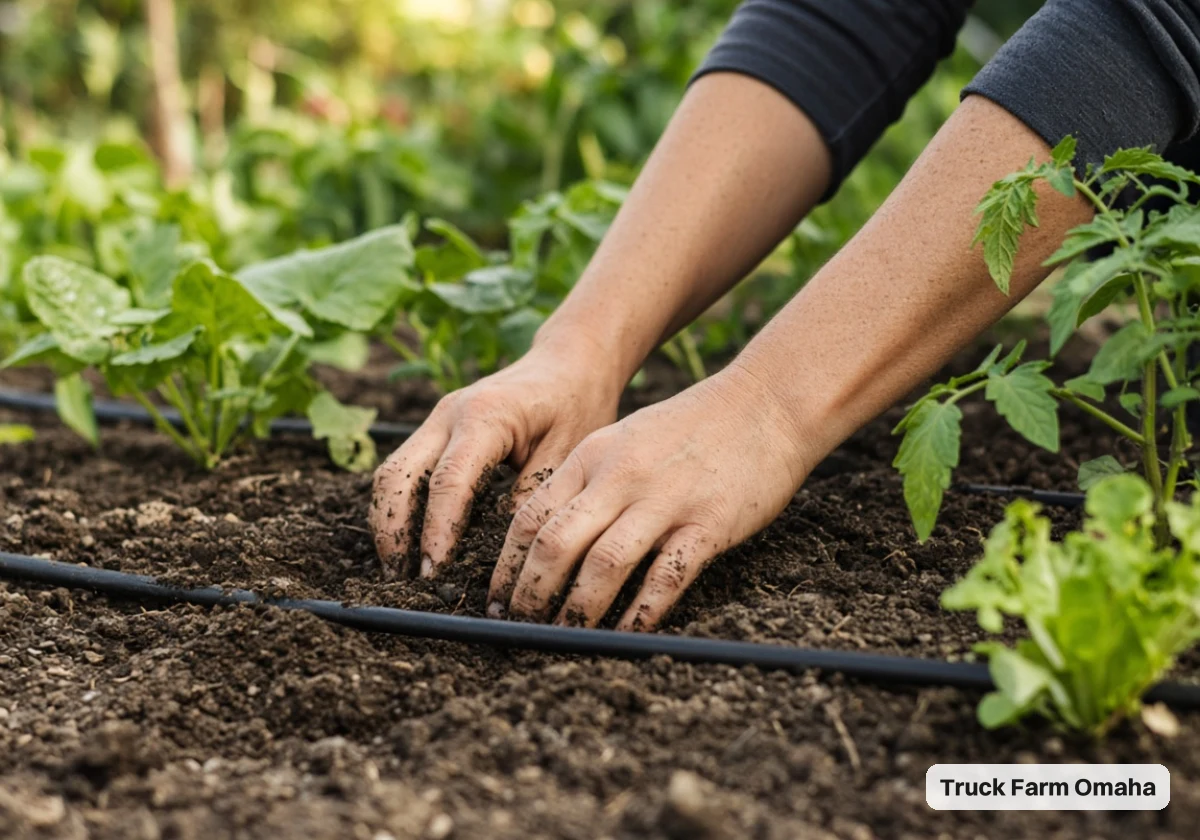
Spread a thick layer of straw, shredded leaves, or wood chips over every planted bed, raised beds included. Mulch shades the soil, so water evaporates more slowly between visits.
On top of that, mulch blocks light from weed seeds trying to sprout. Keep it a few inches back from stems, since mulch piled against them can cause rot.
In our experience with kids’ growing projects, students enjoy this job more than most (it’s messy, fast, and the results show right away). When you give each class a bed and a wheelbarrow, the work wraps up in an afternoon.
Pull Weeds Now, Before They Set Seed
Clear every weed now, roots included, while the plants are still small. Since moist June soil keeps their roots loose, young weeds slide out with one easy pull.
That timing counts because a weed left to flower drops seeds that sprout all summer. Skip one patch, and its seedlings can spread across the rest of the bed by August.
So make weeding a group job: walk each bed with students and fill one bucket per row. Snap a quick photo of every full bucket beside its bed. Come September, those photos let you compare the buckets and see which beds stayed cleanest.
Test Every Tap, Hose, and Timer Before You Lock the Gate
Run every tap, hose, and timer through a full cycle before you leave. It’s important because a cracked hose or dead timer battery can leave beds dry for weeks without anyone noticing.
Specifically, swap the timer batteries, check that each drip line reaches its bed, and fix leaks at the joints. You’ll thank yourself in August for the spare hose washer in the shed.
After that, write the shutoff location and timer settings on a card inside the shed door. Volunteers can then fix small problems without calling anyone.
What Does a School Garden Watering Schedule Look Like When Nobody Is on Site?
A school garden watering schedule pairs a timer for deep, regular watering with volunteer visits that cover whatever the timer misses. According to N.C. Cooperative Extension’s 2025 advice on summer vegetable garden watering, most vegetable gardens need about one inch of water per week, excluding rainfall.
The table below splits that inch between the timer and the people who visit.
| Task | Who Handles It | When | What It Prevents |
|---|---|---|---|
| Deep watering of beds | Drip timer | Early morning on set days | Leaves stay dry overnight, which cuts disease |
| Soil moisture check | Volunteer | Every visit | Catches a timer fault before plants wilt |
| Hand-watering pots and seedlings | Volunteer | Every visit | Shallow roots dry out between timer cycles |
| Timer pause after heavy rain | Volunteer | After a soaking storm | Waterlogged soil and rotting roots |
Container plants give you the earliest warning, so ask volunteers to check them first (pots dry out well before the beds around them). When a pot feels bone dry two visits running, raise the timer setting rather than relying on extra hand-watering.
Building a School Garden Holiday Plan Around Families and Volunteers
With the water sorted, the next job is deciding who shows up. A school garden holiday plan works when each family signs up for one week, so nobody carries the whole summer alone.
Start the sign-up at a spring event or during school pickup, while families are already on campus. A shared online calendar shows every family which weeks are still open, so gaps get filled before summer starts. For volunteers who don’t check email, a paper copy posted on the shed door does the same job.
During our work with school groups, pairing each new family with one that’s done a week before gives newcomers someone to ask.
If you’ve ever come back to a garden nobody watered, you know vague instructions don’t get followed. That’s why every visit needs the same short checklist. Kids can join in, too, and our hands-on garden projects for kids give them something to do between watering and picking.
Anyone writing that checklist now can start from what every visit should cover:
- Check that the timer ran and the soil feels damp two inches down.
- Hand-water pots, seedlings, and any bed that feels dry.
- Harvest ripe tomatoes, beans, and squash, and take them home.
- Pull any weeds that have sprouted since the last visit.
- Note pests or problems in a log book kept in the shed.
Tape this list inside the shed door beside the timer card, so a new family can follow it without a briefing. The log book line saves the next family the most time, since a note like “aphids on the squash” tells them where to look first.
Weeds, Pests, and Heat: Handling the Three Problems That Hit Hardest in July
Midsummer is where school garden summer maintenance gets tested, because Omaha heat peaks just as volunteer energy dips. With the plants at their biggest by then, small problems also spread faster.
Each of the three problems has a simple fix volunteers can handle:
- Weeds That Slip Through Mulch: Even mulched beds sprout a few weeds by midsummer. Pull them on every visit while they’re still small and before they flower. Otherwise, a weed that sets seed in July adds work for next spring’s students too.
- Pests That Chew the Leaves: Once plants fill out, common pests like hornworms, aphids, and squash bugs show up. Volunteers can pick off large pests by hand and spray aphids off with a hose, two natural pest control methods kids can help with. For anything unfamiliar, ask them to snap a photo and send it to the garden lead.
- Heat Stress on Hot Afternoons: Plants often wilt in the afternoon during heat waves and recover overnight. Limp leaves the next morning are a different story, so give that bed extra water the same day. Shade cloth over lettuce and seedlings also helps them through the hottest weeks.
Most July problems start small and grow between visits, so short, regular checks beat one long weekend of repairs. Keep the log book current, and the next family will know exactly what to watch for.
Come Back in September to a Garden Worth Showing Off
A school garden stays productive over the break when the heavy work happens before term ends and families share the visits afterward. Those two steps keep every job small enough to finish.
Choose a date this month for an end-of-term garden workday, and put the sign-up sheet out at your next school event. The sooner families commit, the easier it gets to fill every week.
Truck Farm Omaha helps schools and kids learn to grow food together. Contact the Truck Farm Omaha team to get help planning your school garden and welcome students back to full, healthy beds.